Before you start
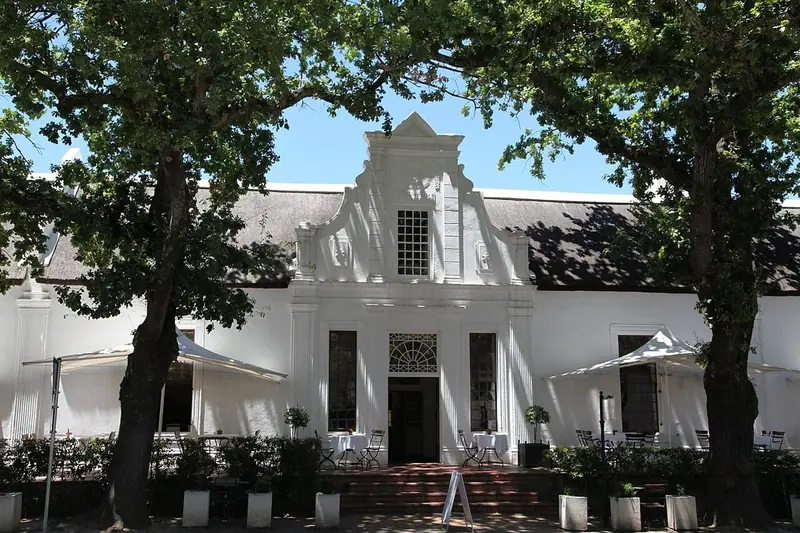
Stellenbosch lies on the banks of the Eerste River, about fifty kilometres east of Cape Town, in a valley ringed by mountains and vineyards. Founded in 1679, it is the second oldest town in South Africa, and its streets are lined with oak trees and with whitewashed houses in the Cape Dutch style. It is known as the City of Oaks, Eikestad in Afrikaans. This guide begins on Die Braak, the old village green, follows Dorp Street and the streets around the Moederkerk, and ends by remembering Die Vlakte, a community destroyed under apartheid. Allow two to three hours.
Use it as a self-guided tour of Stellenbosch: 8 stops in visit order, each played when you’re ready, at your own pace.
 Free preview · Stop 1
Die Braak
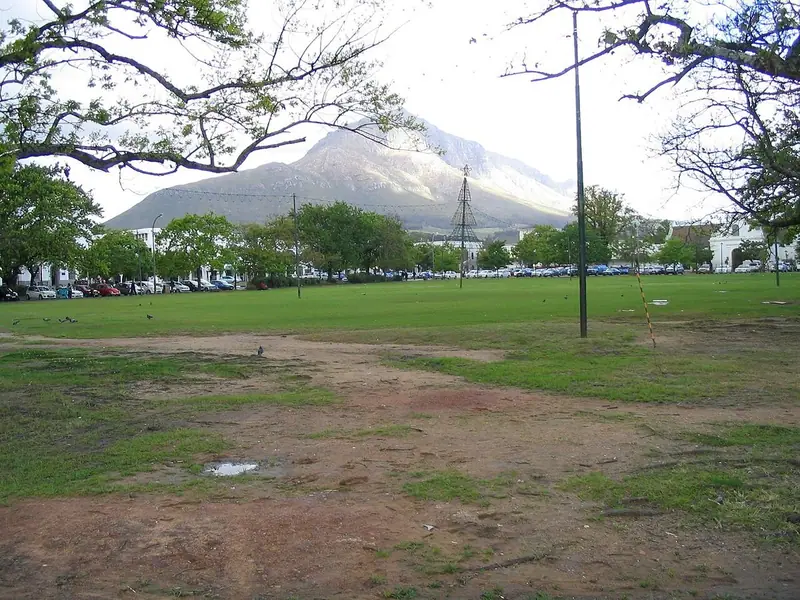
Begin on Die Braak, the long open green at the heart of the old town. Its name means fallow or uncultivated land. From the early eighteenth century it served as a parade ground for the burgher militia, and it was later used for fairs, sports and public gatherings. Around its edges stand some of the town’s oldest buildings: the old powder magazine, the Burgerhuis and the Rhenish Church. The one building on the Braak itself is St Mary’s Anglican Church, a small thatched church with pointed windows in the Gothic style, built in 1852 and consecrated in 1854 by Bishop Robert Gray. Notice the huge oak trees around the green. Simon van der Stel had oaks planted along the streets of his new town, which gave Stellenbosch its name, the City of Oaks.
Photo: HelenOnline · CC BY-SA 3.0 · Wikimedia Commons
What to see at Stellenbosch: 8 stops, in visit order
- 01
 Die BraakThe village greenFree preview
- 02
 The KruithuisThe powder magazineIn the guide
- 03
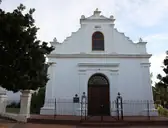 The Rhenish ChurchA church on the greenIn the guide
- 04
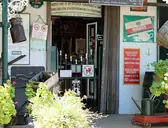 Oom Samie se WinkelUncle Samie’s shopIn the guide
- 05
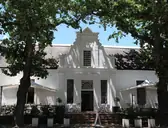 Dorp StreetA street of old housesIn the guide
- 06
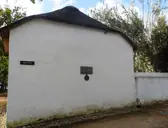 The Village MuseumFour houses, four centuriesIn the guide
- 07
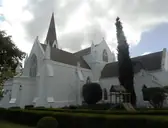 The MoederkerkThe mother churchIn the guide
- 08
 Die VlakteA community rememberedIn the guide
Site map of Stellenbosch
History of Stellenbosch
Stellenbosch was founded in 1679 by Simon van der Stel, governor of the Cape for the Dutch East India Company, who named it after himself: Stellenbosch means Van der Stel’s forest. It was settled by free burghers from the Netherlands and Germany, joined from the 1690s by French Huguenot refugees, who planted vines in the valleys around it. Much of the work of building the town and farming the land was done by enslaved people, brought from Asia and other parts of Africa, and by Khoikhoi labourers, who lost their land to the settlers. In 1710 a fire destroyed most of the town, which was rebuilt with the thatched, whitewashed and gabled houses you see today. After slavery ended in 1838, many freed people settled in the town centre, where they built the community later known as Die Vlakte.
Stellenbosch guide: questions
How many stops does the Stellenbosch guide have?
8 stops, in visit order: 1. Die Braak; 2. The Kruithuis; 3. The Rhenish Church; 4. Oom Samie se Winkel; 5. Dorp Street; 6. The Village Museum; 7. The Moederkerk; 8. Die Vlakte.
Can I do a self-guided tour of Stellenbosch with this guide?
Yes. The guide is made for a self-guided tour: 8 stops in visit order, each with a photo, a story and a voice, so you can explore Stellenbosch at your own pace, without joining a group. Download it before you go and it works offline.
How long do you need at Stellenbosch?
We suggest allowing 2–3 hours. The 8 stops add up to about 6 minutes of listening, and you play each one when you’re ready, so you can linger wherever you like.
How long is each guide?
The 8 stops add up to about 6 minutes of listening in total. You play each stop when you’re ready, so you can go at your own pace.
Does the guide work offline?
Yes, once it’s downloaded. The guide is a single self-contained web page (about 7.2 MB) with the photos, text and audio built in. Download it to your phone before you go (Wi-Fi is best); after that it opens in any modern browser on iPhone or Android, with no app, account or mobile signal needed.
Does it use GPS or need my location?
No. The guide doesn’t use GPS and doesn’t know where you are: you play each stop when you reach it. It works on iPhone and Android in any modern browser, and it’s in English.
What’s included?
One self-contained HTML guide: 8 stops in visit order, each with a photo, text and a voice, plus the story of who built the site.
Who built Stellenbosch?
Stellenbosch was founded in 1679 by Simon van der Stel, governor of the Cape for the Dutch East India Company, who named it after himself: Stellenbosch means Van der Stel’s forest. It was settled by free burghers from the Netherlands and Germany, joined from the 1690s by French Huguenot refugees, who planted vines in the valleys around it.
Is there a free audio guide to Stellenbosch?
The first stop, Die Braak, is free to read and hear on this page, so you can try the Stellenbosch audio tour before you buy. The full guide, with all 8 stops, is a one-off purchase: download it once and it’s yours to keep, working offline.
Is the Stellenbosch guide worth it?
If you’d like to know what you’re looking at, yes. For $10 you get 8 stops in visit order, each with a photo, a short history and a voice you play when you’re ready, plus a site map of the stops, and about 6 minutes of listening in all. It’s short on purpose, so you spend your time looking, not listening. It’s yours to keep, works offline and needs no app. The first stop is free on this page, so you can try it before you buy. If you’d like hours of detail, a guided tour will go deeper.
Audio guide or guided tour?
It depends how you like to visit. This guide lets you explore Stellenbosch at your own pace, at any time, for a one-off price. A guided tour gives you a live expert you can ask questions, but at fixed times and usually for a higher price. Many people use both: a tour for the big picture, and the guide to read beforehand or to revisit the stops in their own time.
Is this the official Stellenbosch guide?
No. It’s an independent guide by The Historian Guide, not affiliated with or endorsed by the operator of Stellenbosch. For tickets and opening hours, check the official site operator before you go.
Does the guide include entry tickets or opening hours?
No. The guide is a digital companion only. Admission to Stellenbosch is separate, so check the official site operator for current tickets and opening hours before you go.
- Stop 1 · Die Braak: HelenOnline · CC BY-SA 3.0 · Wikimedia Commons · resized
- Stop 2 · The Kruithuis: Martinvl · CC BY-SA 4.0 · Wikimedia Commons · resized
- Stop 3 · The Rhenish Church: Raymond Ellis · CC BY-SA 3.0 · Wikimedia Commons · resized
- Stop 4 · Oom Samie se Winkel: HelenOnline · CC BY-SA 3.0 · Wikimedia Commons · resized
- Stop 5 · Dorp Street (also the cover): Raymond Ellis · CC0 · Wikimedia Commons · resized
- Stop 6 · The Village Museum: ECSequeira · CC BY-SA 3.0 · Wikimedia Commons · resized
- Stop 7 · The Moederkerk: ECSequeira · CC BY-SA 3.0 · Wikimedia Commons · resized
- Stop 8 · Die Vlakte: Khanya Ntantiso Arosi · CC BY-SA 4.0 · Wikimedia Commons · resized


All photographs from Wikimedia Commons under the licences shown.
More guides in South Africa
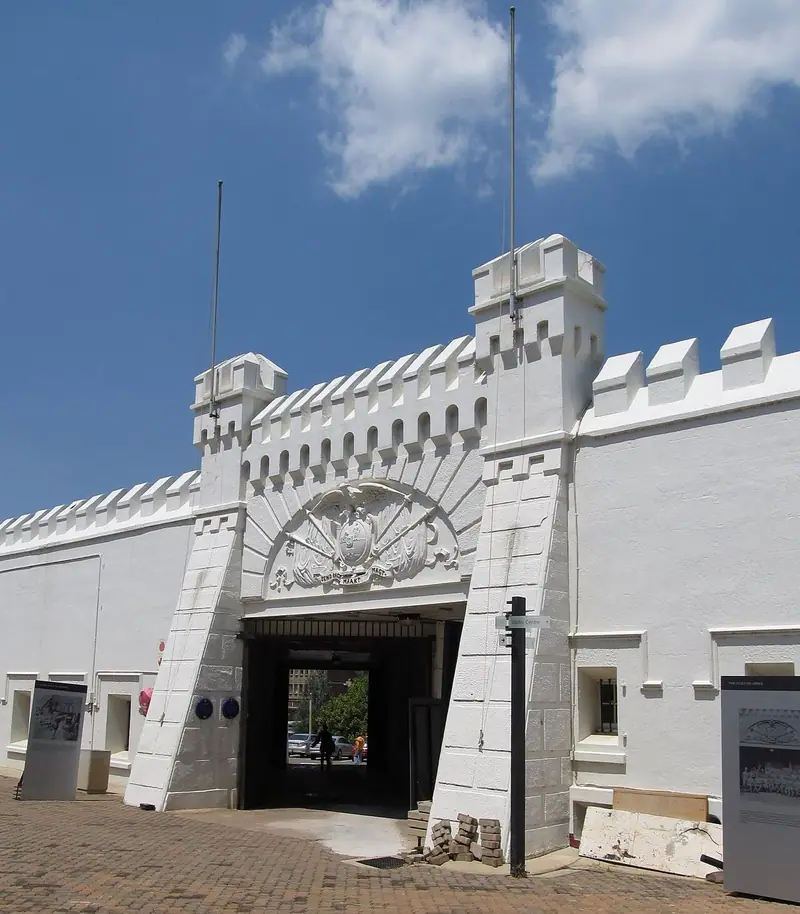 South African7 stops · 1892–2004
Constitution Hill audio guide
The old fort and Number Four, where famous South Africans were imprisoned, and the Constitutional Court that stands there today.
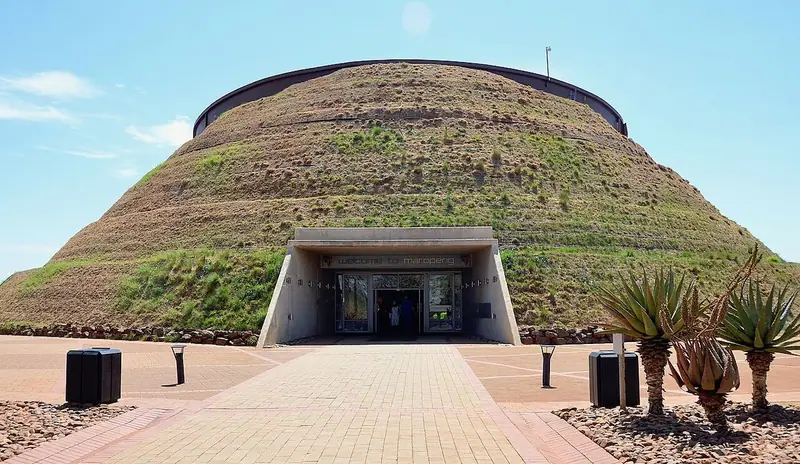 Early Hominins8 stops · c. 3.7 million – 250,000 years ago
Cradle of Humankind audio guide
Underground at Sterkfontein, where Mrs Ples and Little Foot were found, then Maropeng and the story of how we became human.
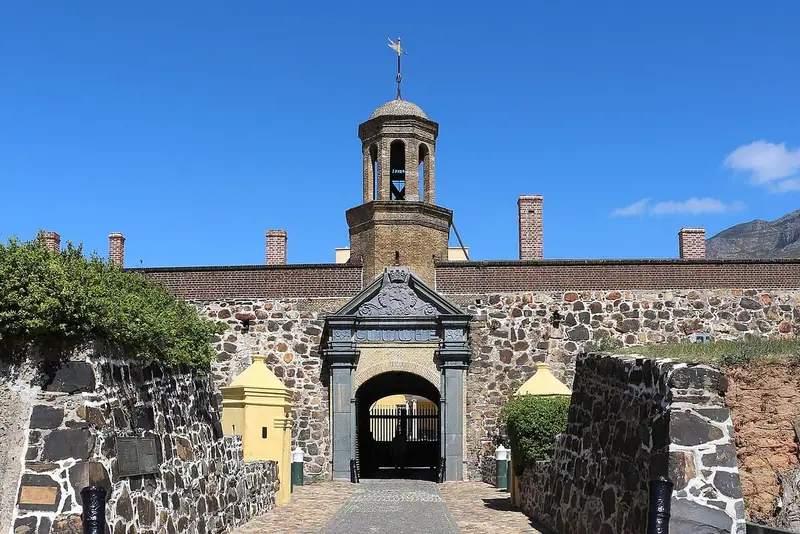 Dutch Colonial8 stops · 17th–20th century
Historic Cape Town audio guide
From the Castle of Good Hope through the City Bowl, past the Company’s Garden and the Slave Lodge, to the Bo-Kaap.
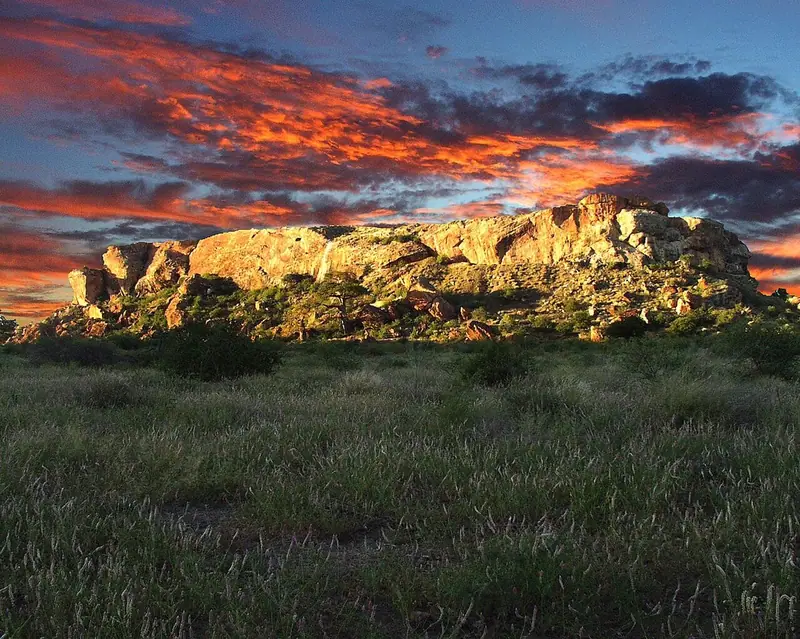 Mapungubwe7 stops · c. 900–1300
Mapungubwe audio guide
The hilltop seat of southern Africa’s first great kingdom, home of the gold rhinoceros, where the Limpopo meets the Shashe.
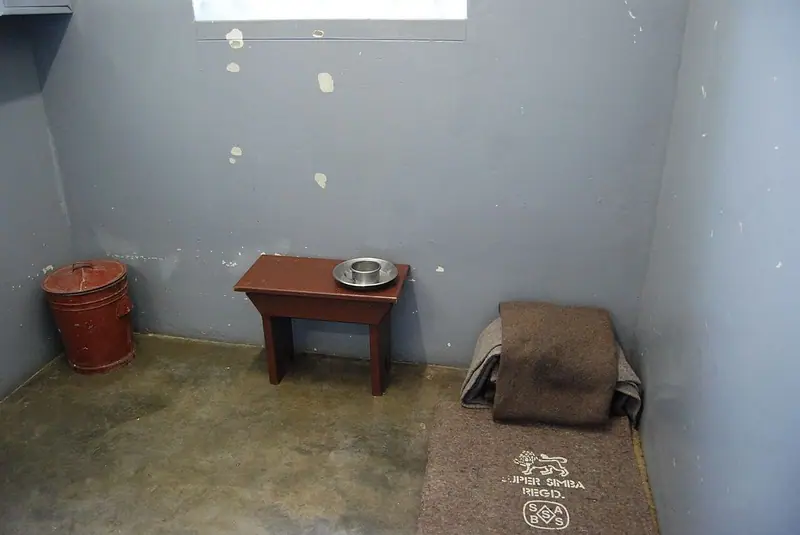 European Colonial7 stops · 1652–1996
Robben Island audio guide
Cross Table Bay to the island where leaders of the struggle against apartheid were held, from the lime quarry to Mandela’s cell.
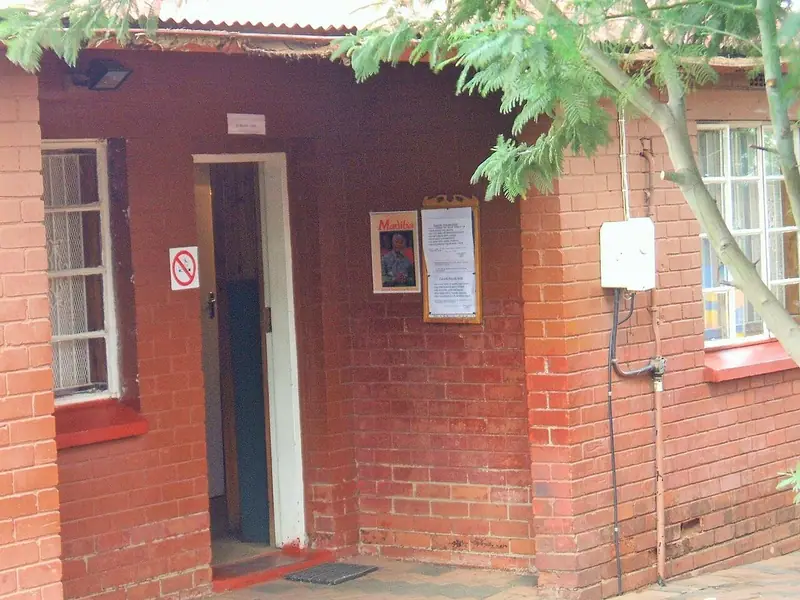 South African7 stops · 1904–2002
Soweto audio guide
Vilakazi Street, the homes of Mandela and Tutu, and the places where the student uprising of 16 June 1976 is remembered.
Every guide, in every country
Stellenbosch and every other guide we publish, including future ones. One payment, no subscription.