Guides
MexicoGuides to 31 historic sites
The cities of the Maya, and beyond
31 guides availableAztecClassic VeracruzEpiclassicMayaMesoamericanNew Spain and MexicoTeotihuacanToltecZapotec
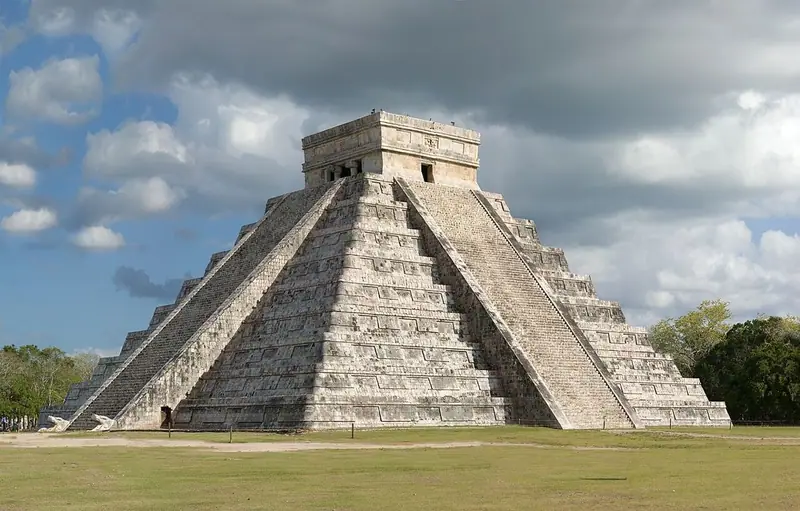
Chichén Itzá. Photo: Fcb981 · CC BY-SA 3.0 · Wikimedia Commons
The cities of the Maya, and beyond
From the flat limestone plains of Yucatán to the rainforests of Campeche, Mexico holds some of the most extraordinary cities of the ancient Americas. Our Mexico collection begins with the Maya, who built observatories, ballcourts and palaces without metal tools or draught animals, and whose descendants still live here. More of Mexico follows.
The Mexica of Tenochtitlan, whose island capital astonished the Spanish in 1519.
The Gulf Coast culture of El Tajín, famous for its ballcourts and niched pyramid.
The age after Teotihuacan’s fall, when fortified hilltop cities such as Xochicalco rose in central Mexico.
Astronomers, scribes and builders of the Yucatán peninsula and beyond, from the first villages around 2000 BCE until the fall of the last independent kingdom in 1697. Millions of Maya people live in the region today.
The shared civilisation of ancient Mexico and Central America, from the Olmecs to the Spanish conquest.
Colonial New Spain and independent Mexico.
Unknown builders of the vast Pyramid of the Sun city, the largest in the Americas of its age.
The rulers of Tula, remembered by the Aztecs as the founders of civilisation.
Builders of Monte Albán in the Oaxaca valley, one of the first cities of Mesoamerica.
The 31 Mexico guides, plus every guide in our other countries and every one we add later. One payment, no subscription.
World Pass holders may also request a site they’d love to see covered: simply write to [email protected].
 New Spain and Mexico8 stops · Colonial and modern Mexico
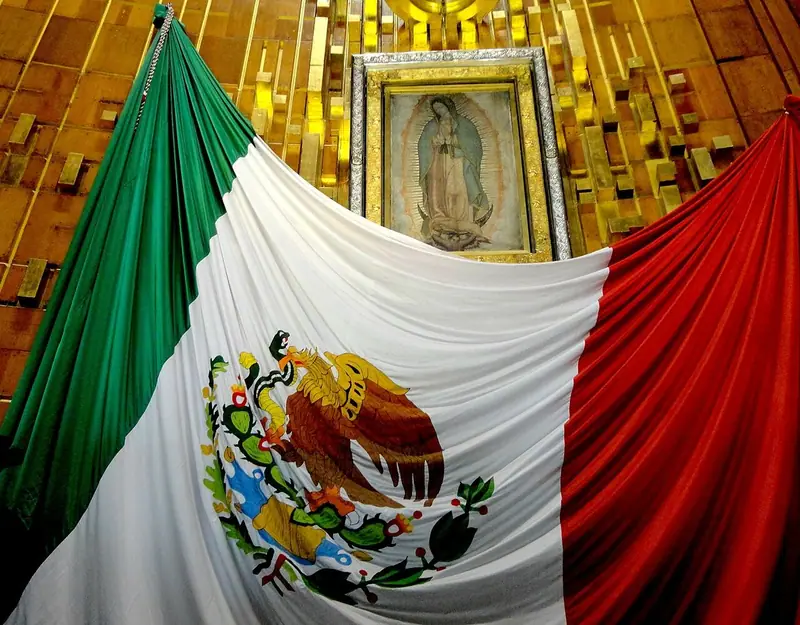
Cross the great plaza of the world’s most visited Catholic shrine to see the image of Our Lady of Guadalupe, then climb the hill of Tepeyac.
 Maya6 stops · c. 600–800 CE
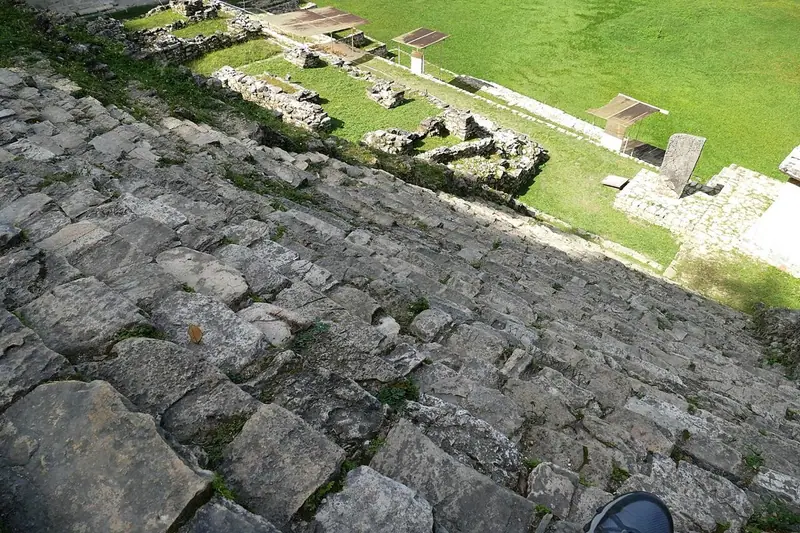
Three small rooms in the Lacandon forest painted with vivid Maya murals: a royal court, a battle and a celebration.
 Maya6 stops · c. 250–900 CE
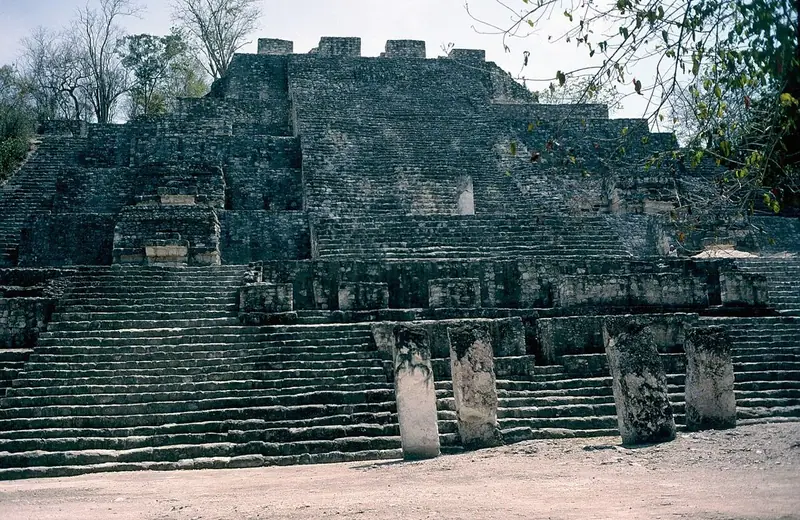
Capital of the Snake Kingdom, rising out of the Campeche rainforest.
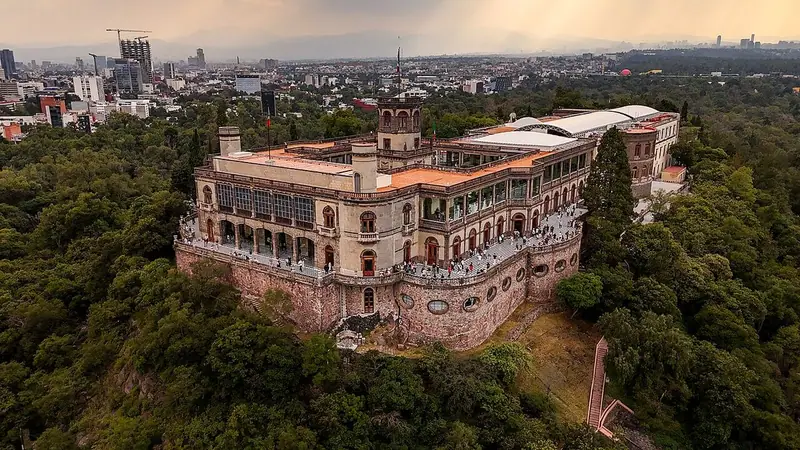 New Spain and Mexico8 stops · Second Mexican Empire
Climb the hill of Chapultepec to the castle of a viceroy, an emperor and presidents, now the National Museum of History.
Maya8 stops · c. 600–1200 CEEl Castillo and its serpent of light, the greatest ballcourt in Mesoamerica and the Sacred Cenote.
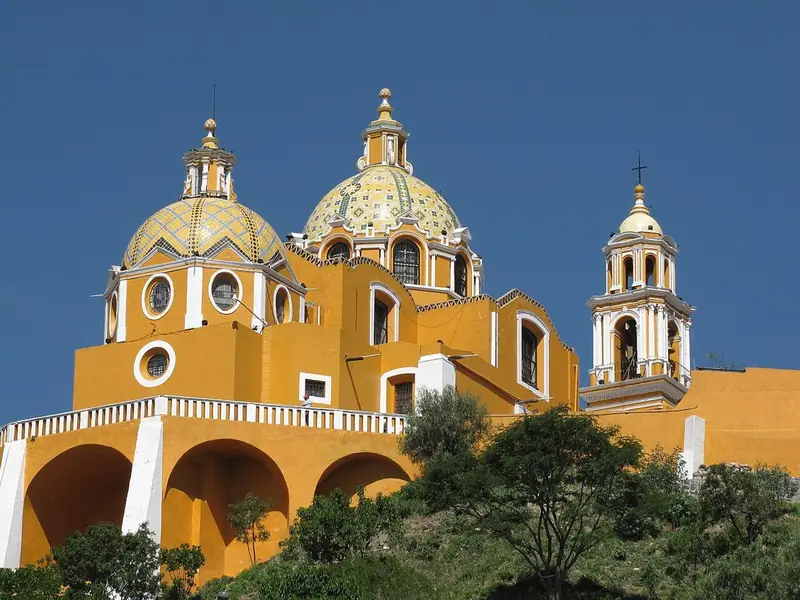 Mesoamerican6 stops · c. 300 BCE – 900 CE (pyramid)
Tunnel into the Great Pyramid, then climb to the church on its summit and the view of the volcanoes.
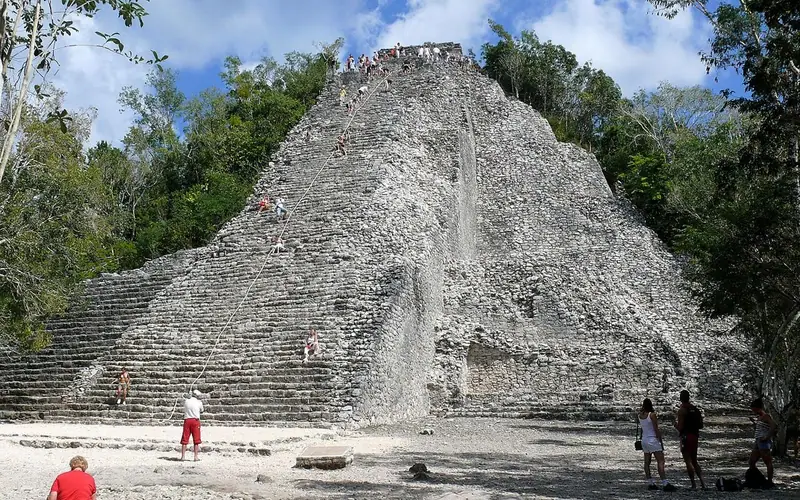 Maya6 stops · c. 500–900 CE
Jungle lakes, raised white roads and the towering Nohoch Mul.
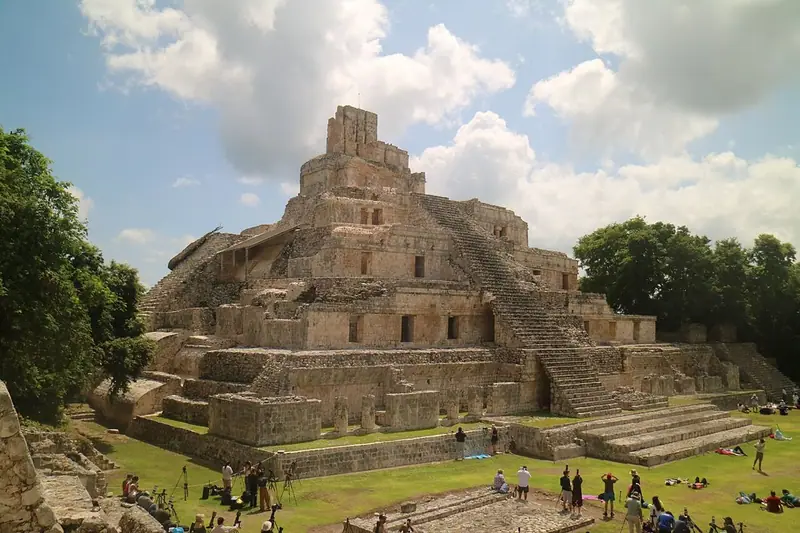 Maya6 stops · c. 600–900 CE
The Building of Five Floors, and canals that turned a valley into a city.
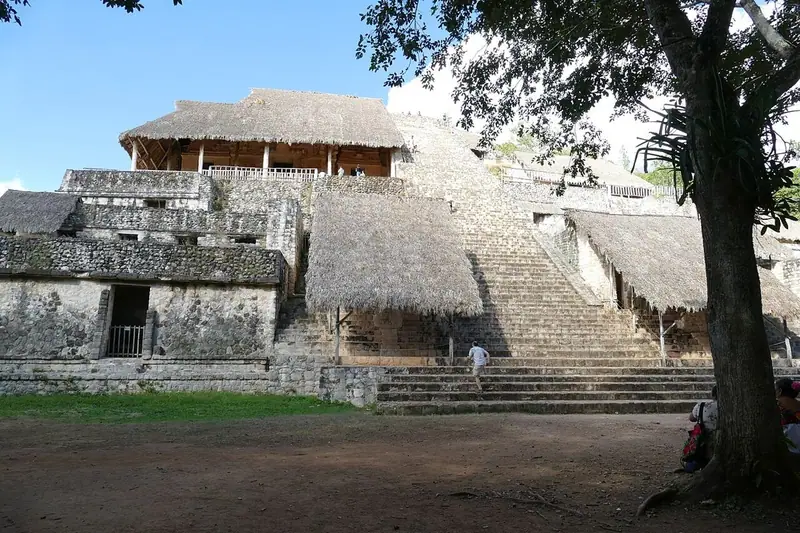 Maya6 stops · c. 700–1000 CE
The Black Jaguar’s acropolis, with some of the finest stucco sculpture in the Maya world.
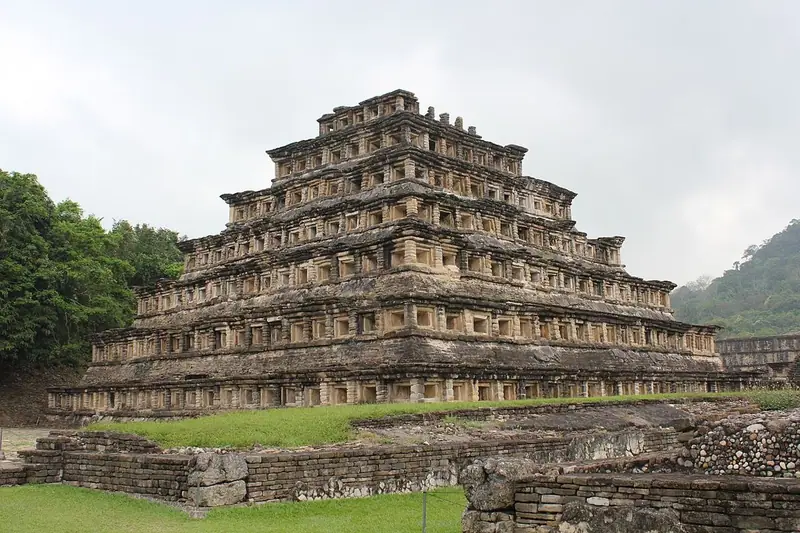 Classic Veracruz6 stops · c. 600–1200 CE
Watch the Voladores spin from their pole, then walk to the Pyramid of the Niches and the carved ballcourts.
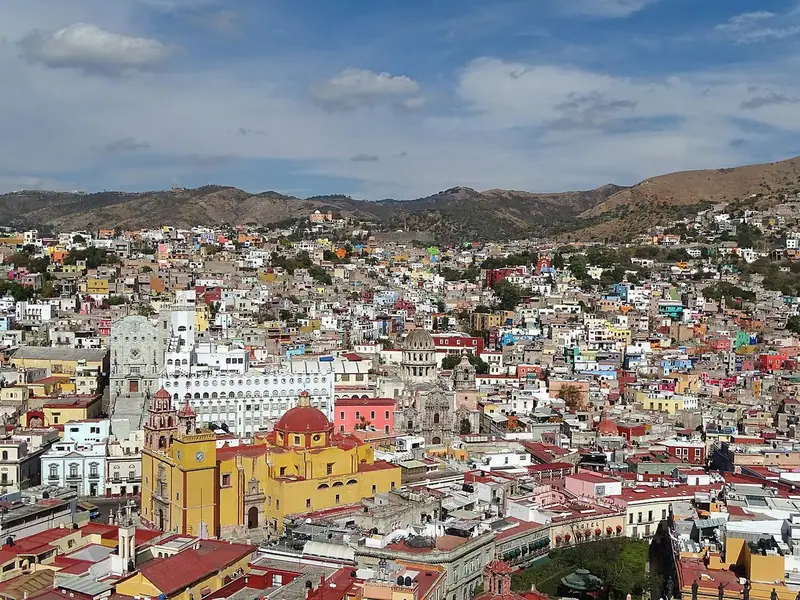 New Spain and Mexico9 stops · 1558 – early 20th century
A colourful silver-mining city in a mountain ravine, with Baroque churches, the Teatro Juárez, the Alhóndiga de Granaditas and its famous narrow alleys.
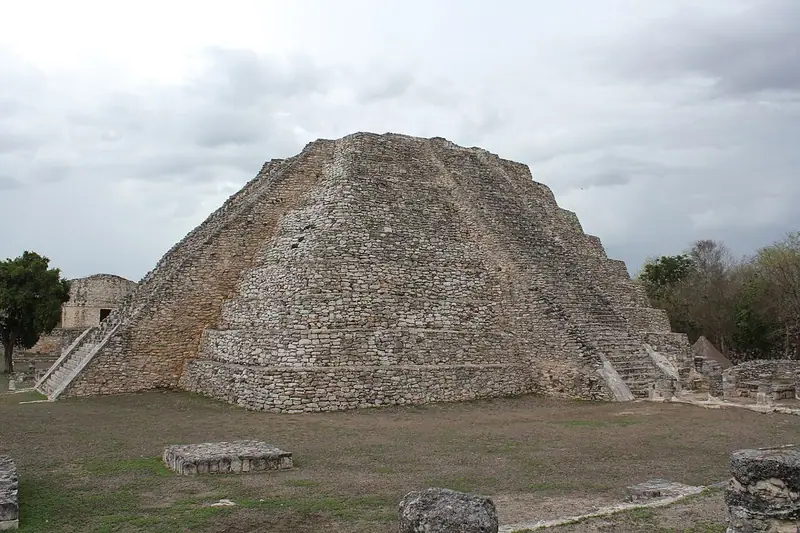 Maya7 stops · c. 1220–1450 CE
The last great Maya capital of Yucatán, quiet and compact.
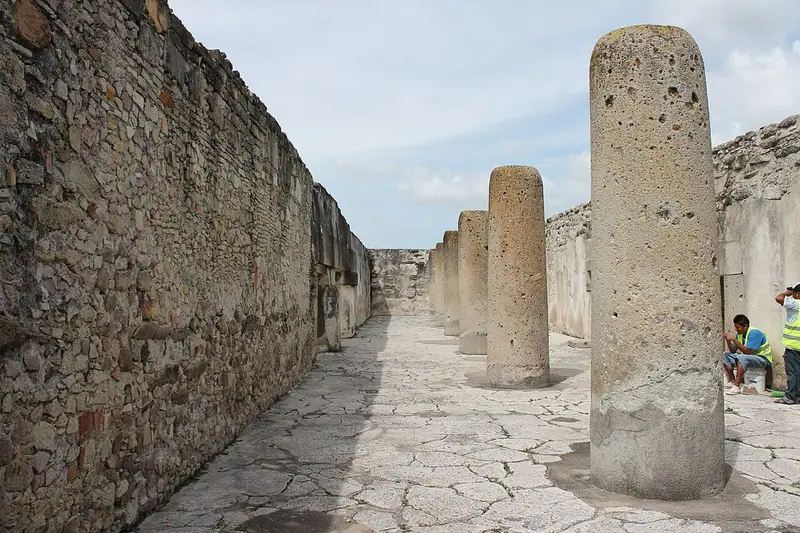 Zapotec6 stops · c. 900–1521 CE
Palaces wrapped in stone fretwork mosaics, the Hall of the Columns and cruciform tombs beneath the patios.
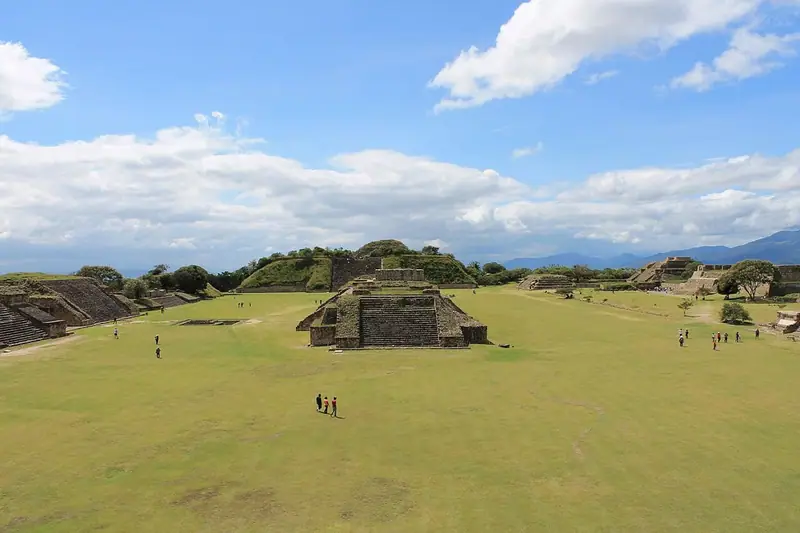 Zapotec7 stops · c. 500 BCE – 850 CE
A Zapotec capital on a levelled mountaintop, with the Great Plaza, the Danzantes stones and views over three valleys.
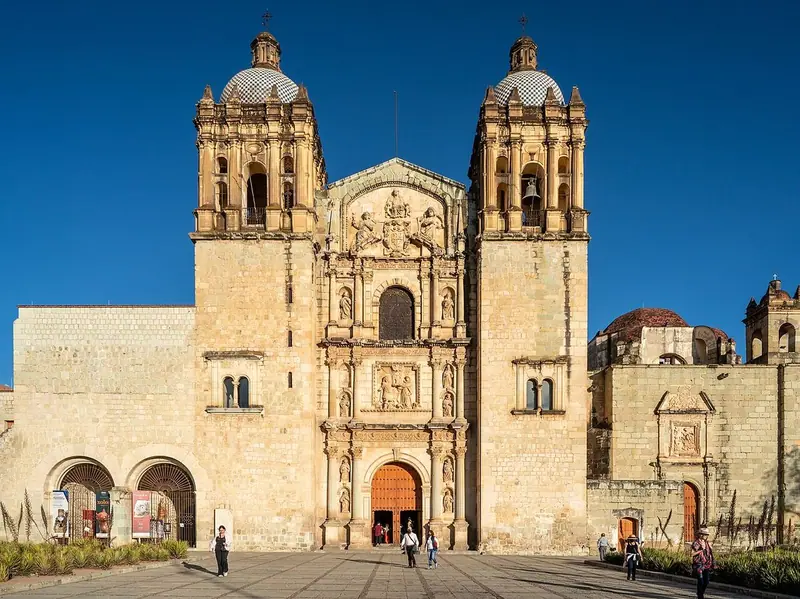 New Spain and Mexico8 stops · 16th–20th century CE
Green-stone churches and the Zócalo, the gilded Santo Domingo and its museum, the ethnobotanical garden and the old aqueduct arches of Xochimilco.
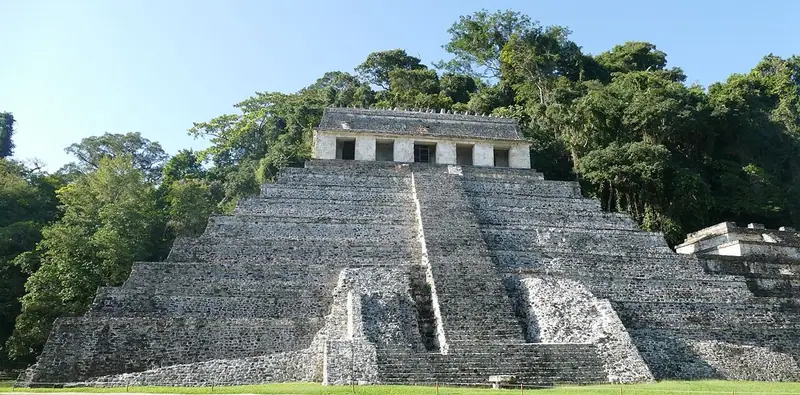 Maya7 stops · c. 500–800 CE
The Temple of the Inscriptions, the Palace and the Cross Group, at the edge of the Chiapas rainforest.
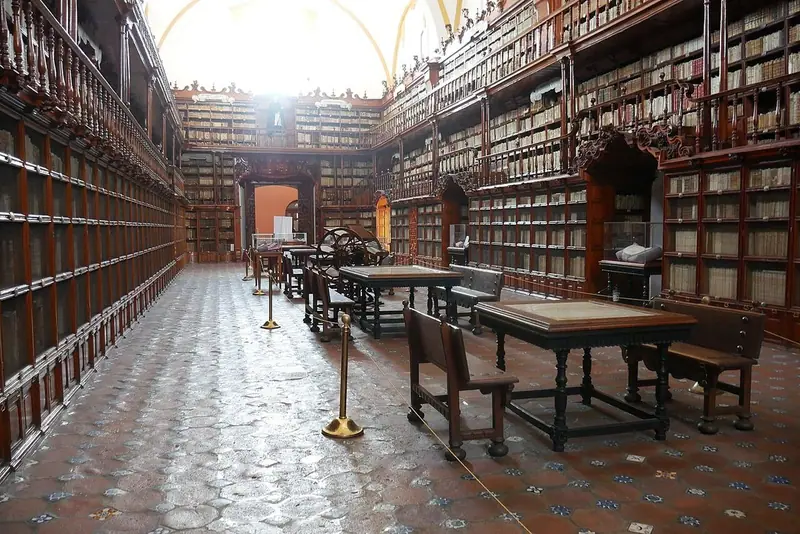 New Spain and Mexico8 stops · 16th–20th century CE
Tiled façades and the Casa del Alfeñique, the Palafox Library, the cathedral on the Zócalo and the gilded Rosary Chapel of Santo Domingo.
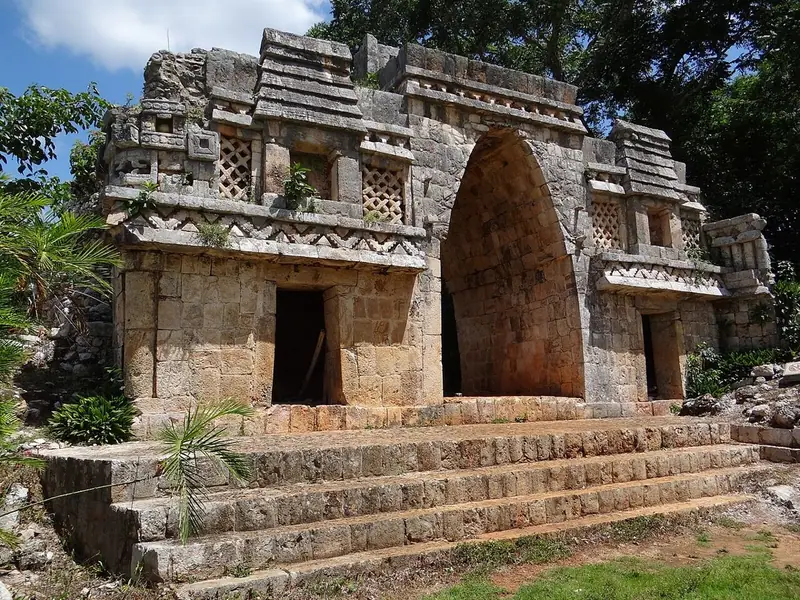 Maya8 stops · c. 600–1000 CE
Kabah, Sayil, Xlapak and Labná: four Puuc cities strung along one country road.
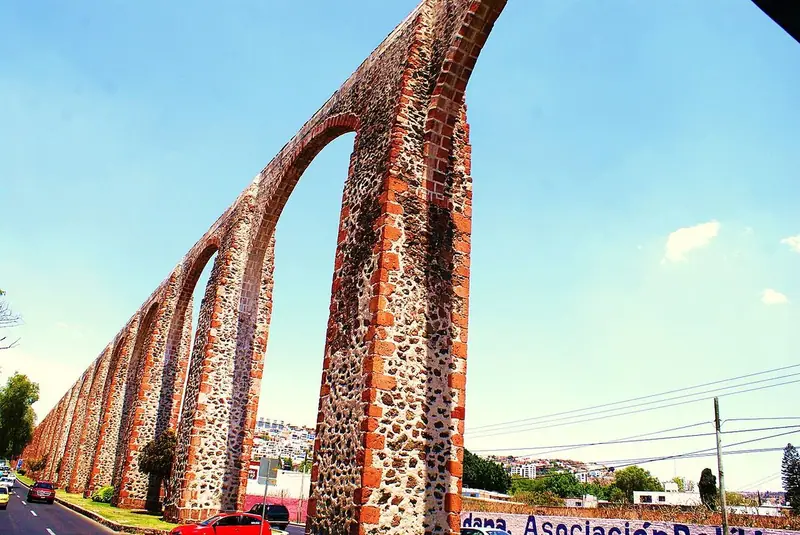 New Spain and Mexico9 stops · 16th–20th century CE
The great aqueduct, the Convent of the Holy Cross, the Casa de la Corregidora, Baroque churches and cloisters, and the hill where Emperor Maximilian was executed.
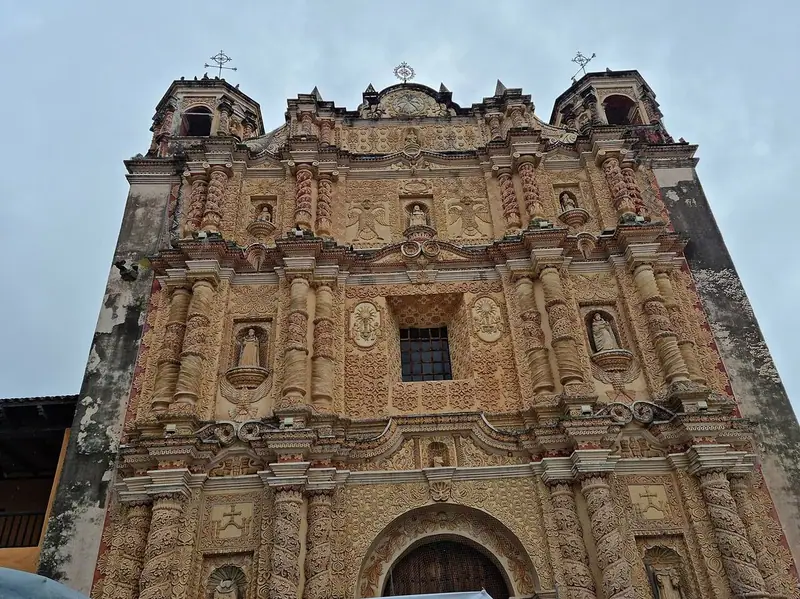 New Spain and Mexico6 stops · 16th–20th century CE
A colonial highland town in Chiapas: the Arco del Carmen, the cathedral on the plaza, the carved front of Santo Domingo, Na Bolom and the hill of Guadalupe.
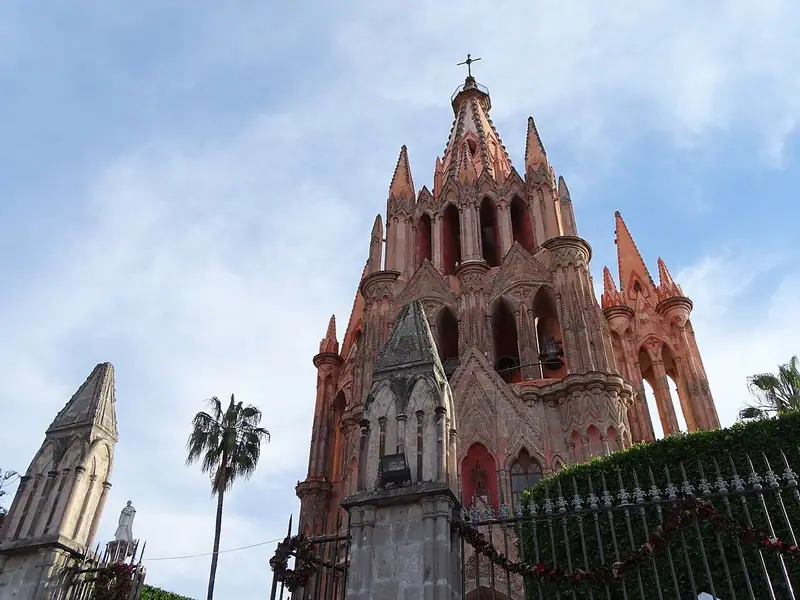 New Spain and Mexico13 stops · 16th–20th century CE
The pink Gothic spires of the Parroquia, the house of the independence hero Ignacio Allende, convents and mansions, the springs of El Chorro and the shrine of Atotonilco.
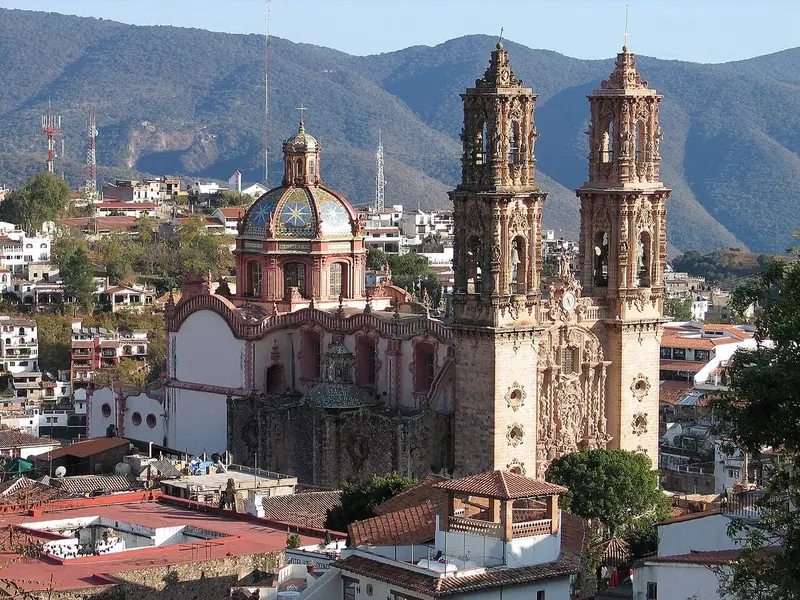 New Spain and Mexico5 stops · 18th–20th century CE
A white silver town on a hillside: the church of Guadalupe, the Casa Borda, the Churrigueresque Santa Prisca, the Casa Humboldt and the Santa Veracruz.
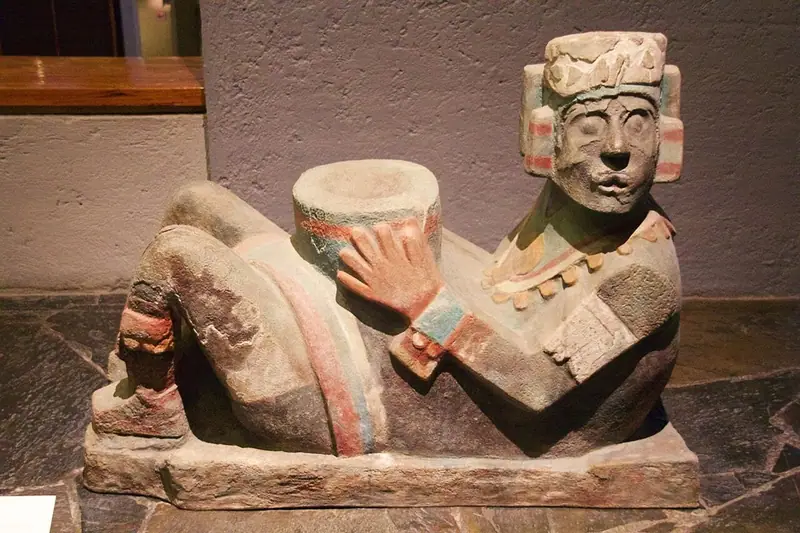 Aztec6 stops · 1325–1521
The ruined twin temple at the heart of Tenochtitlan, with serpent heads and the great stone of Coyolxauhqui.
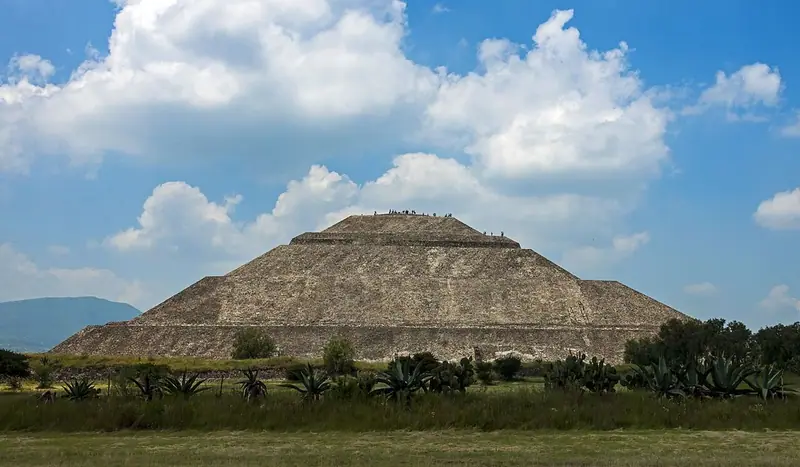 Teotihuacan7 stops · c. 100 BCE – 550 CE
The Avenue of the Dead, from the Citadel to the Pyramids of the Sun and the Moon.
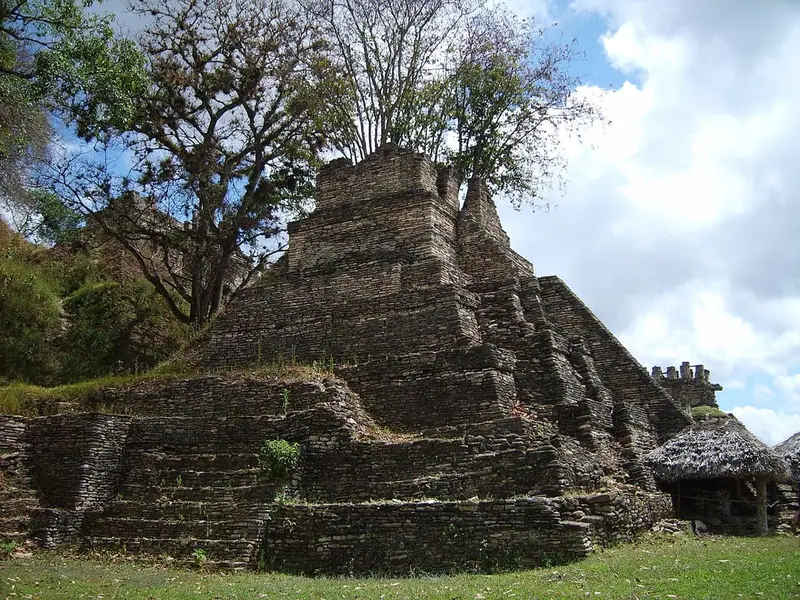 Maya6 stops · c. 600–909 CE
A Maya acropolis of terraces and temples stepped up a hillside, with the stucco Mural of the Four Eras.
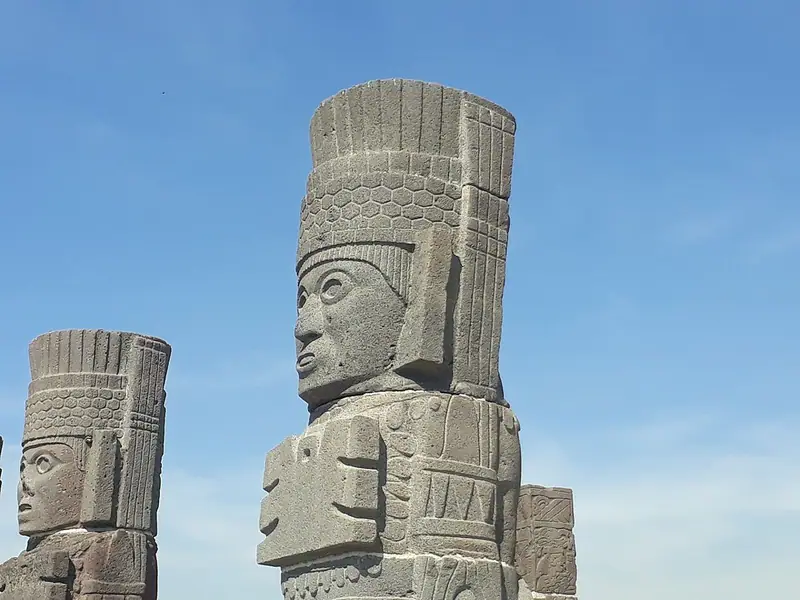 Toltec7 stops · c. 900–1150 CE
The towering Atlantes, stone warriors on top of Pyramid B, guard the capital of the Toltecs.
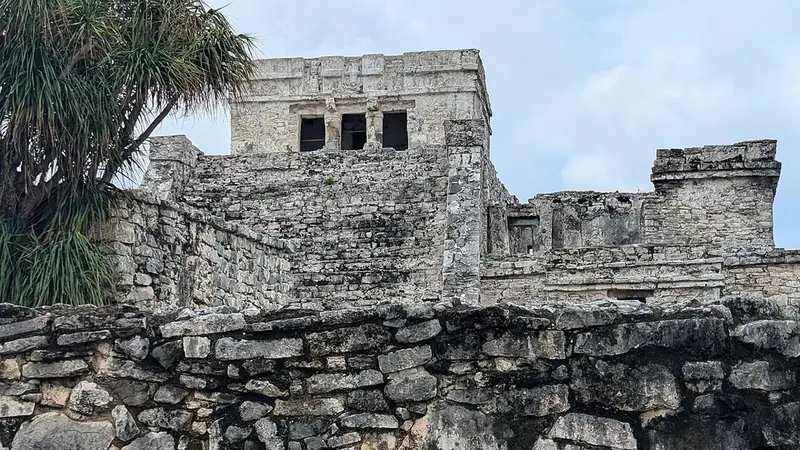 Maya6 stops · c. 1200–1550 CE
A walled Maya port on limestone cliffs above the Caribbean.
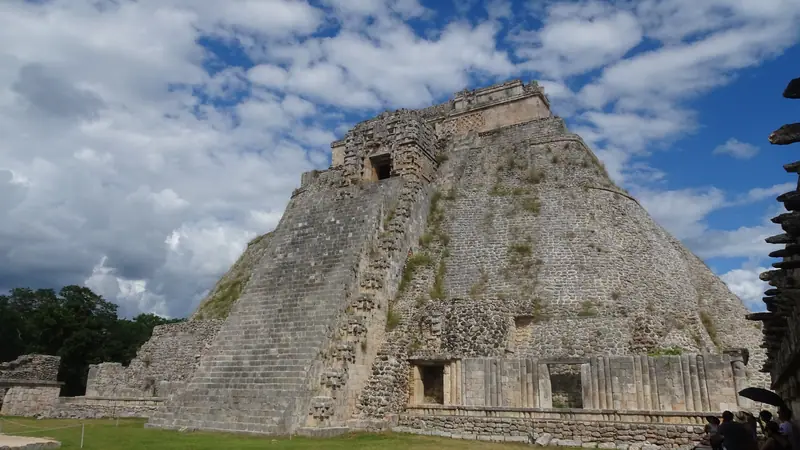 Maya7 stops · c. 600–1000 CE
The Puuc masterpiece: an oval pyramid, palace façades of cut-stone mosaic, and a whole city devoted to the rain god Chaac.
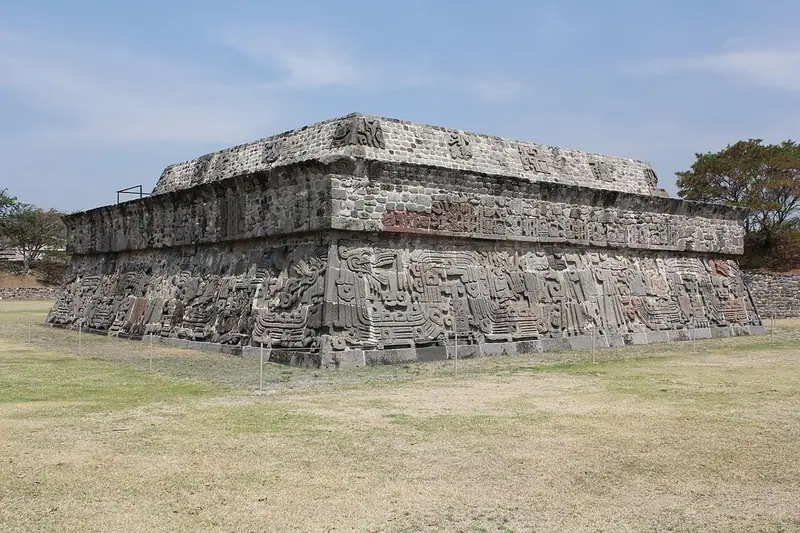 Epiclassic7 stops · c. 650–900 CE
A terraced hilltop city with the Pyramid of the Feathered Serpents and an underground observatory.
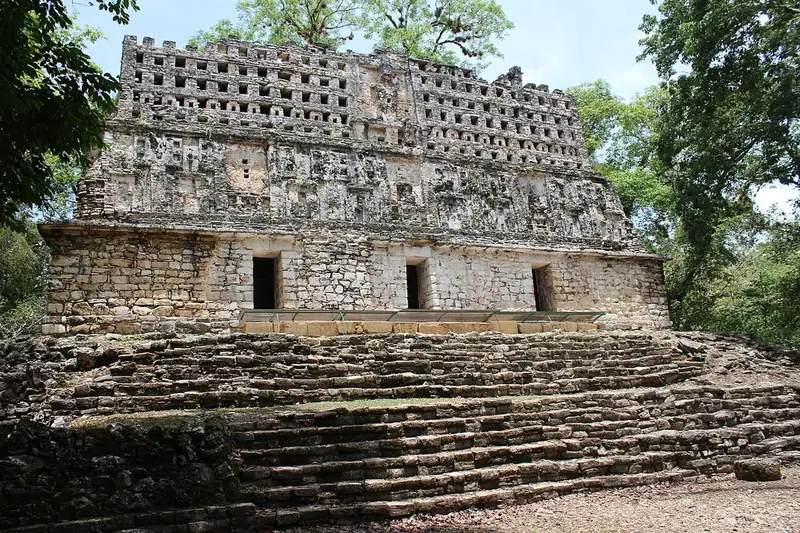 Maya6 stops · c. 600–808 CE
Reached by boat on the Usumacinta, a Maya city of temples and plazas deep in the rainforest.
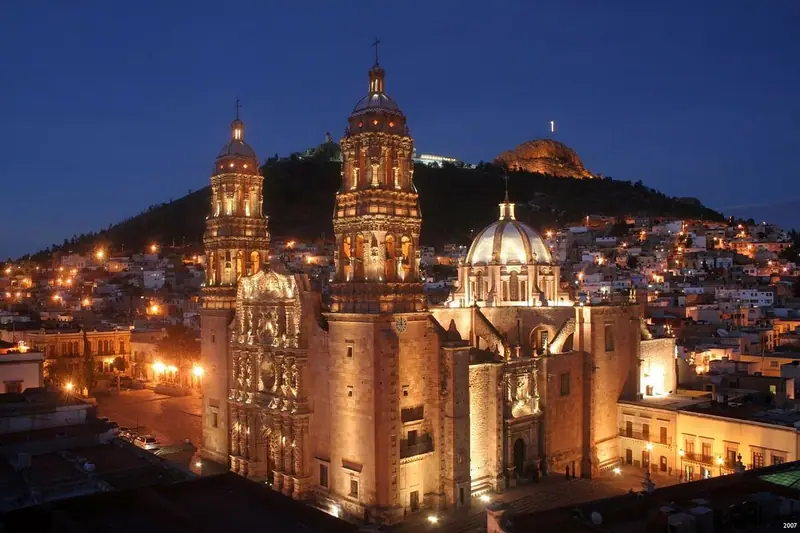 New Spain and Mexico6 stops · 16th–20th century CE
A silver city in pink stone: the Edén Mine, the carved Baroque cathedral, the Teatro Calderón, the Rafael Coronel Museum and the Cerro de la Bufa.
The Historian Guide
We’re putting the finishing touches to secure checkout. If you’d like to hear the moment it opens, email [email protected] and we’ll let you know at launch.
In the meantime, every guide page has a free preview: the first stop, with its audio.
When you buy, you agree to our Terms of Sale and Refund Policy. Because guides are delivered instantly, change-of-mind refunds aren’t available once a guide has been downloaded or accessed.