Before you start
Robben Island lies in Table Bay, about eleven kilometres from Cape Town. For almost four hundred years it was a place of banishment, and from the 1960s it held the leaders of the struggle against apartheid, among them Nelson Mandela. It became a museum in 1997 and a UNESCO World Heritage Site in 1999. Visits are by guided tour only: a ferry from the Nelson Mandela Gateway at the V&A Waterfront, a bus tour of the island, and a walk through the Maximum Security Prison. This guide follows the usual order of the tour, which may vary; listen to each section as you arrive. Allow about half a day.
Use it as a self-guided tour of Robben Island: 7 stops in visit order, each played when you’re ready, at your own pace.
 Free preview · Stop 1
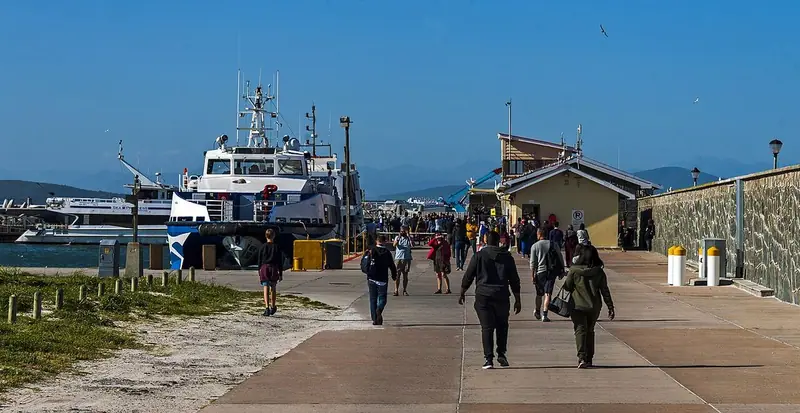
Murray’s Bay Harbour
Your tour begins with the ferry crossing from the Nelson Mandela Gateway, which takes about half an hour, depending on the boat and the weather. Look back at Table Mountain rising above the city, a view the prisoners could see but not reach. Prisoners and their visitors once made this crossing in very different conditions. You land at Murray’s Bay Harbour, built in 1939 and 1940, and named after a Scottish whaler, John Murray, who ran a whaling station here in the early nineteenth century. New prisoners arrived at this harbour, and families who made the long journey to visit them were allowed only short meetings, watched by warders. From here, buses carry visitors around the island, with a guide describing the sites along the way.
Photo: Daniel Case · CC BY-SA 3.0 · Wikimedia Commons
What to see at Robben Island: 7 stops, in visit order
- 01
 Murray’s Bay HarbourCrossing Table BayFree preview
- 02
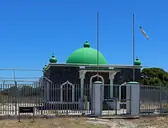 The Moturu KramatA Muslim shrineIn the guide
- 03
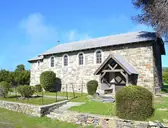 The Leper GraveyardExiles of another kindIn the guide
- 04
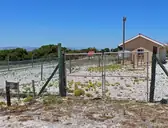 Robert Sobukwe’s HouseHeld aloneIn the guide
- 05
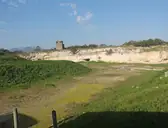 The Lime QuarryHard labour in the glareIn the guide
- 06
 The Maximum Security PrisonWalking with a former prisonerIn the guide
- 07
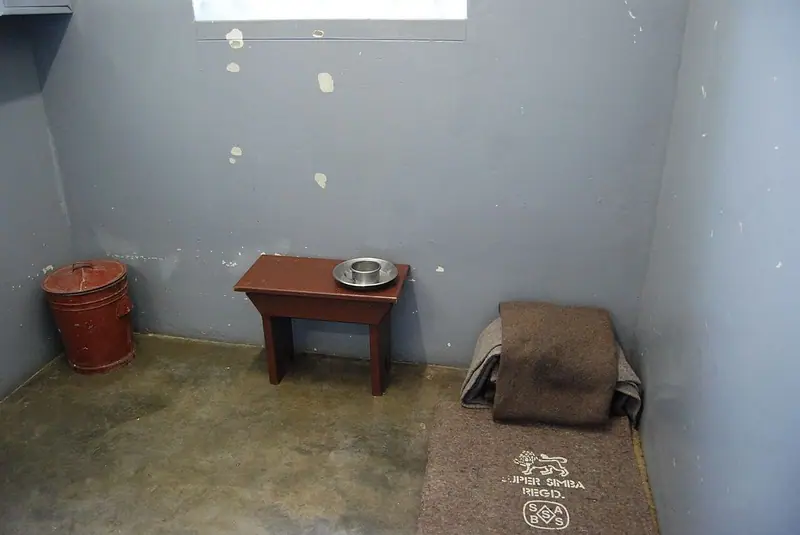
 Mandela’s CellEighteen years in B SectionIn the guide
Site map of Robben Island
History of Robben Island
The island’s name comes from the Dutch word for seals. From the seventeenth century the Dutch East India Company, and later the British, sent prisoners, exiles and people they wished to keep apart here, including African leaders who resisted colonial rule and Muslim leaders from South-East Asia. From 1845 it was also a colony for people with leprosy. After the National Party introduced apartheid in 1948, the island became a prison for political prisoners from 1961. The political prison closed in 1991, and the last prisoners left in 1996, two years after South Africa’s first democratic elections.
Robben Island guide: questions
How many stops does the Robben Island guide have?
7 stops, in visit order: 1. Murray’s Bay Harbour; 2. The Moturu Kramat; 3. The Leper Graveyard; 4. Robert Sobukwe’s House; 5. The Lime Quarry; 6. The Maximum Security Prison; 7. Mandela’s Cell.
Can I do a self-guided tour of Robben Island with this guide?
Yes. The guide is made for a self-guided tour: 7 stops in visit order, each with a photo, a story and a voice, so you can explore Robben Island at your own pace, without joining a group. Download it before you go and it works offline.
How long is each guide?
The 7 stops add up to about 5 minutes of listening in total. You play each stop when you’re ready, so you can go at your own pace.
Does the guide work offline?
Yes, once it’s downloaded. The guide is a single self-contained web page (about 6.2 MB) with the photos, text and audio built in. Download it to your phone before you go (Wi-Fi is best); after that it opens in any modern browser on iPhone or Android, with no app, account or mobile signal needed.
Does it use GPS or need my location?
No. The guide doesn’t use GPS and doesn’t know where you are: you play each stop when you reach it. It works on iPhone and Android in any modern browser, and it’s in English.
What’s included?
One self-contained HTML guide: 7 stops in visit order, each with a photo, text and a voice, plus the story of who built the site.
Who built Robben Island?
The island’s name comes from the Dutch word for seals. From the seventeenth century the Dutch East India Company, and later the British, sent prisoners, exiles and people they wished to keep apart here, including African leaders who resisted colonial rule and Muslim leaders from South-East Asia.
Where is Robben Island?
Robben Island lies in Table Bay, about eleven kilometres from Cape Town.
Is there a free audio guide to Robben Island?
The first stop, Murray’s Bay Harbour, is free to read and hear on this page, so you can try the Robben Island audio tour before you buy. The full guide, with all 7 stops, is a one-off purchase: download it once and it’s yours to keep, working offline.
Is the Robben Island guide worth it?
If you’d like to know what you’re looking at, yes. For $10 you get 7 stops in visit order, each with a photo, a short history and a voice you play when you’re ready, plus a site map of the stops, and about 5 minutes of listening in all. It’s short on purpose, so you spend your time looking, not listening. It’s yours to keep, works offline and needs no app. The first stop is free on this page, so you can try it before you buy. If you’d like hours of detail, a guided tour will go deeper.
Audio guide or guided tour?
It depends how you like to visit. This guide lets you explore Robben Island at your own pace, at any time, for a one-off price. A guided tour gives you a live expert you can ask questions, but at fixed times and usually for a higher price. Many people use both: a tour for the big picture, and the guide to read beforehand or to revisit the stops in their own time.
Is this the official Robben Island guide?
No. It’s an independent guide by The Historian Guide, not affiliated with or endorsed by the operator of Robben Island. For tickets and opening hours, check the official site operator before you go.
Does the guide include entry tickets or opening hours?
No. The guide is a digital companion only. Admission to Robben Island is separate, so check the official site operator for current tickets and opening hours before you go.
- Stop 1 · Murray’s Bay Harbour: Daniel Case · CC BY-SA 3.0 · Wikimedia Commons · resized
- Stop 2 · The Moturu Kramat: HelenOnline · CC BY-SA 3.0 · Wikimedia Commons · resized
- Stop 3 · The Leper Graveyard: Pepmasbd · CC BY-SA 4.0 · Wikimedia Commons · resized
- Stop 4 · Robert Sobukwe’s House: HelenOnline · CC BY-SA 3.0 · Wikimedia Commons · resized
- Stop 5 · The Lime Quarry: Nurunnaby Chowdhury (Hasive) · CC BY-SA 4.0 · Wikimedia Commons · resized
- Stop 6 · The Maximum Security Prison: © Moheen Reeyad · CC BY-SA 4.0 · Wikimedia Commons · resized
- Stop 7 · Mandela’s Cell (also the cover): Paul Mannix · CC BY-SA 2.0 · Wikimedia Commons · resized


All photographs from Wikimedia Commons under the licences shown.
More guides in South Africa
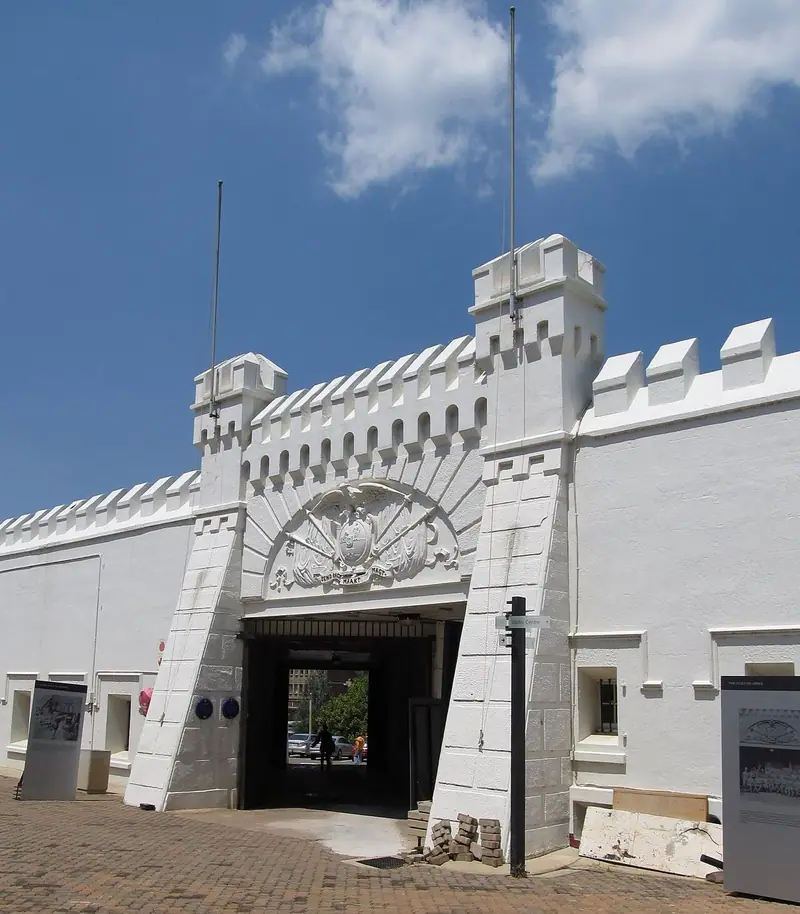 South African7 stops · 1892–2004
Constitution Hill audio guide
The old fort and Number Four, where famous South Africans were imprisoned, and the Constitutional Court that stands there today.
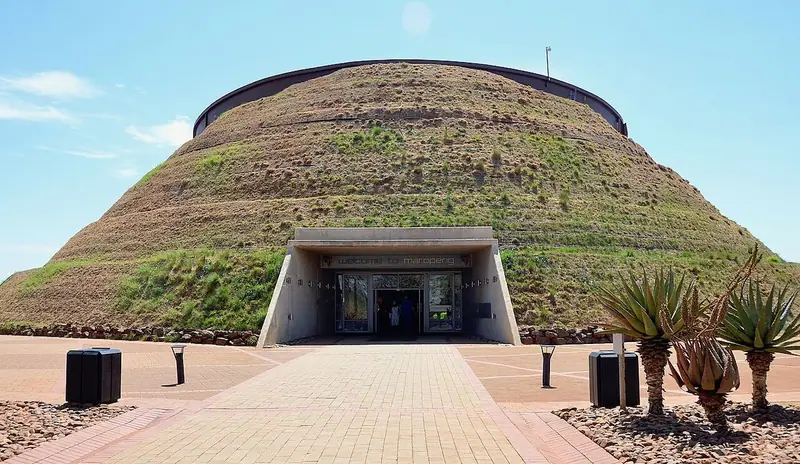 Early Hominins8 stops · c. 3.7 million – 250,000 years ago
Cradle of Humankind audio guide
Underground at Sterkfontein, where Mrs Ples and Little Foot were found, then Maropeng and the story of how we became human.
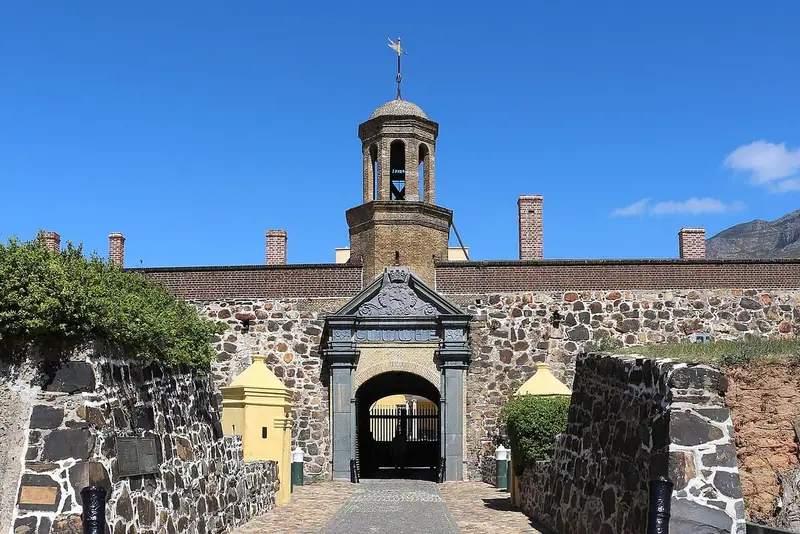 Dutch Colonial8 stops · 17th–20th century
Historic Cape Town audio guide
From the Castle of Good Hope through the City Bowl, past the Company’s Garden and the Slave Lodge, to the Bo-Kaap.
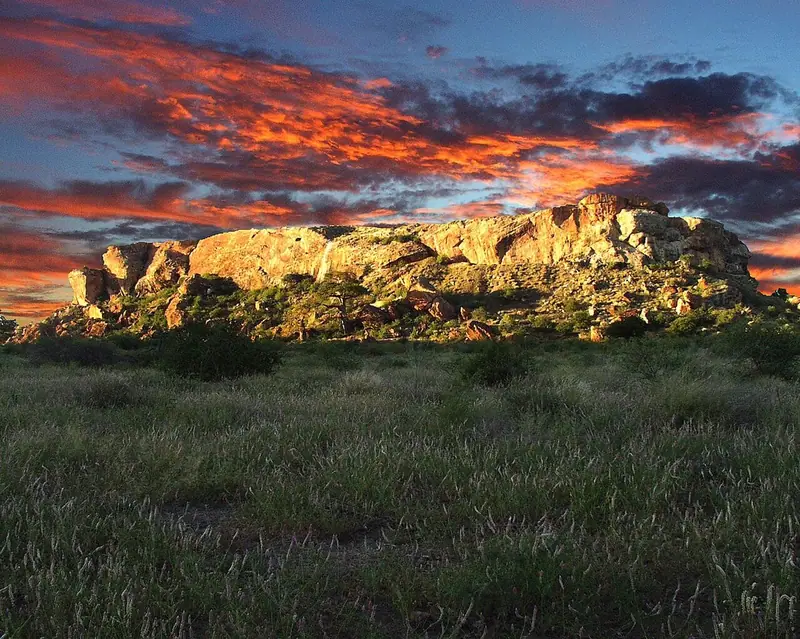 Mapungubwe7 stops · c. 900–1300
Mapungubwe audio guide
The hilltop seat of southern Africa’s first great kingdom, home of the gold rhinoceros, where the Limpopo meets the Shashe.
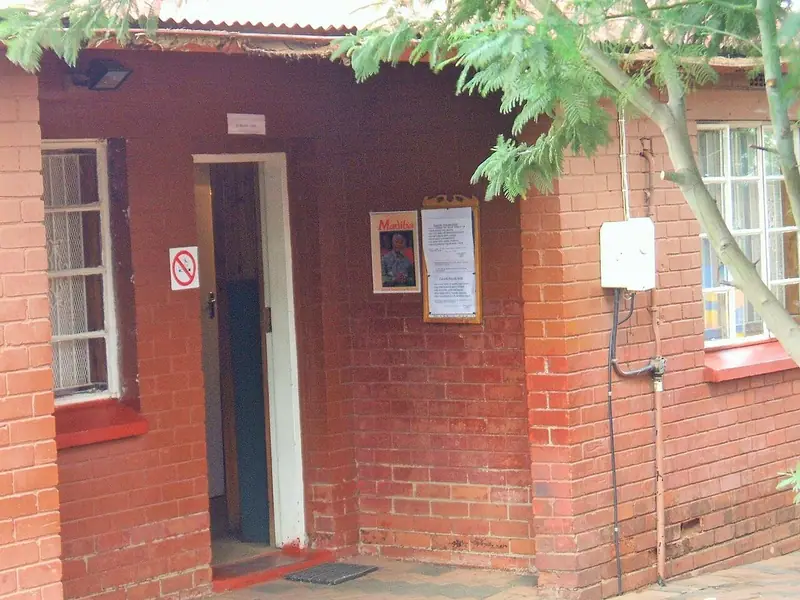 South African7 stops · 1904–2002
Soweto audio guide
Vilakazi Street, the homes of Mandela and Tutu, and the places where the student uprising of 16 June 1976 is remembered.
 Dutch Colonial8 stops · 1679–1964
Stellenbosch audio guide
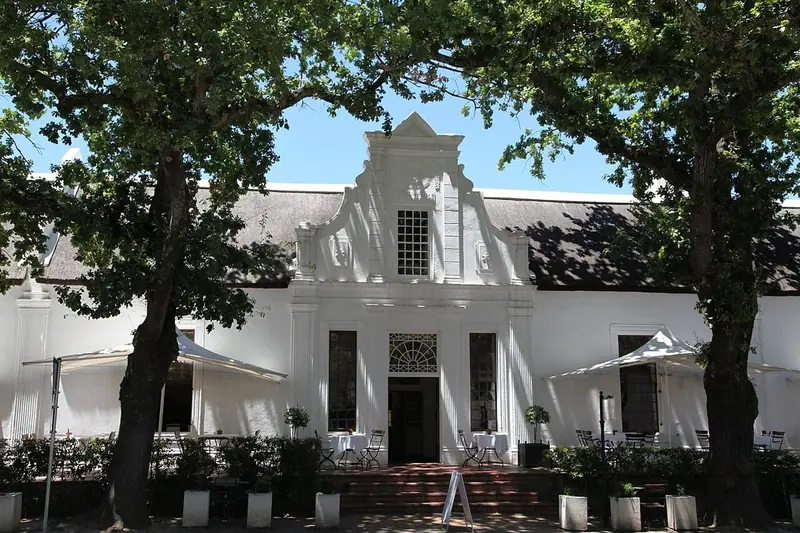
The City of Oaks: the Braak, the powder magazine, Cape Dutch Dorp Street and the Moederkerk, and the lost community of Die Vlakte.
Every guide, in every country
Robben Island and every other guide we publish, including future ones. One payment, no subscription.