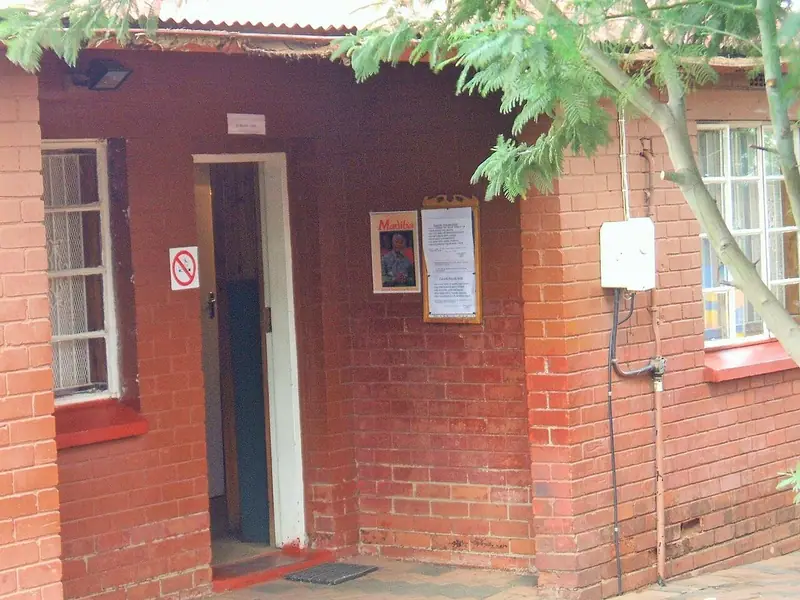
Before you start
Soweto, whose name comes from South Western Townships, lies on the south-western edge of Johannesburg. It grew from townships where Black South Africans were made to live under segregation and apartheid, and today it is home to more than a million people. This guide explores Orlando West, the part of Soweto most closely bound up with the struggle against apartheid: Vilakazi Street, the homes of Nelson Mandela and Desmond Tutu, and the places where the student uprising of 16 June 1976 is remembered. It ends at Regina Mundi Church, a short drive away. Allow three to four hours, and be ready for stories that are hard to hear.
Use it as a self-guided tour of Soweto: 7 stops in visit order, each played when you’re ready, at your own pace.
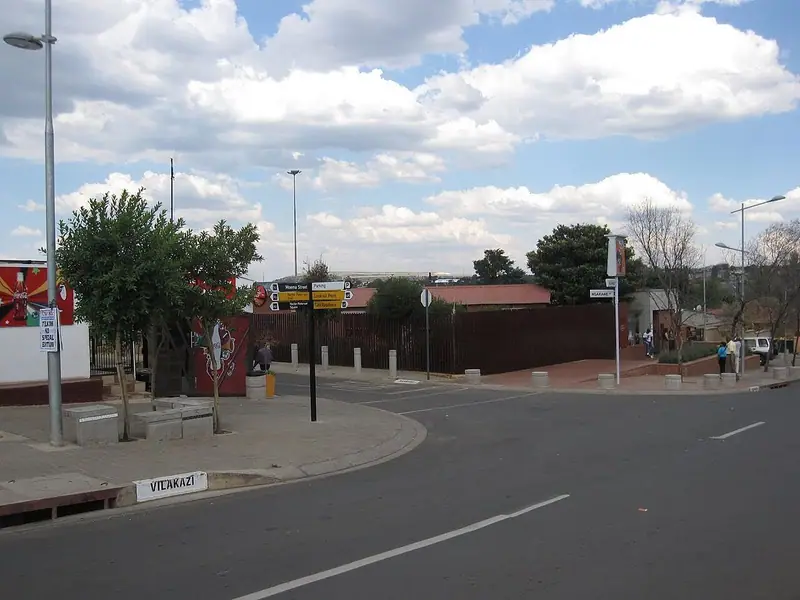 Free preview · Stop 1
Vilakazi Street
Begin on Vilakazi Street in Orlando West, one of the most visited streets in South Africa. It is named after Benedict Wallet Vilakazi, a Zulu poet, novelist and scholar, who in 1946 became the first Black South African to receive a doctorate. Vilakazi Street is often said to be the only street in the world where two winners of the Nobel Peace Prize have lived: Archbishop Desmond Tutu, who received the prize in 1984, and Nelson Mandela, who shared it in 1993. Look along the street at the small brick houses, many of them now enlarged, and at the restaurants, stalls and street performers who fill it today. Remember that when these houses were built, the families who lived in them could not own the land, and were treated by the state as temporary residents of the city.
Photo: Stefan Krasowski · CC BY 2.0 · Wikimedia Commons
What to see at Soweto: 7 stops, in visit order
- 01
 Vilakazi StreetA street of two Nobel laureatesFree preview
- 02
 Mandela HouseNumber 8115In the guide
- 03
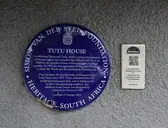 Tutu HouseHome of the ArchbishopIn the guide
- 04
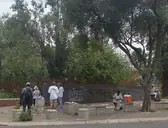 Where Hector FellVilakazi and Moema StreetsIn the guide
- 05
 The Hector Pieterson MemorialRemembering the sixteenth of JuneIn the guide
- 06
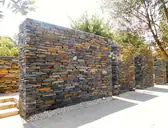 The Hector Pieterson MuseumThe story of the uprisingIn the guide
- 07
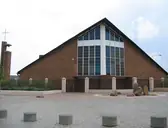 Regina Mundi ChurchA refuge in the struggleIn the guide
Site map of Soweto
History of Soweto
Soweto was built by the city of Johannesburg and the state to house Black workers away from the white city. Its roots go back to 1904, when the council moved Black residents of an inner-city area, after a plague scare, to Klipspruit, later called Pimville. From the 1930s the council laid out new townships here, beginning with Orlando, with rows of small four-roomed brick houses, often called matchbox houses. In the 1950s the apartheid government forcibly removed tens of thousands of people to Meadowlands and other new townships from areas such as Sophiatown, which were declared white. The name Soweto was adopted in 1963. Its people built churches, schools, clubs and a rich culture of their own, and Soweto became a centre of resistance.
Soweto guide: questions
How many stops does the Soweto guide have?
7 stops, in visit order: 1. Vilakazi Street; 2. Mandela House; 3. Tutu House; 4. Where Hector Fell; 5. The Hector Pieterson Memorial; 6. The Hector Pieterson Museum; 7. Regina Mundi Church.
Can I do a self-guided tour of Soweto with this guide?
Yes. The guide is made for a self-guided tour: 7 stops in visit order, each with a photo, a story and a voice, so you can explore Soweto at your own pace, without joining a group. Download it before you go and it works offline.
How long do you need at Soweto?
We suggest allowing 3–4 hours. The 7 stops add up to about 5 minutes of listening, and you play each one when you’re ready, so you can linger wherever you like.
How long is each guide?
The 7 stops add up to about 5 minutes of listening in total. You play each stop when you’re ready, so you can go at your own pace.
Does the guide work offline?
Yes, once it’s downloaded. The guide is a single self-contained web page (about 6.9 MB) with the photos, text and audio built in. Download it to your phone before you go (Wi-Fi is best); after that it opens in any modern browser on iPhone or Android, with no app, account or mobile signal needed.
Does it use GPS or need my location?
No. The guide doesn’t use GPS and doesn’t know where you are: you play each stop when you reach it. It works on iPhone and Android in any modern browser, and it’s in English.
What’s included?
One self-contained HTML guide: 7 stops in visit order, each with a photo, text and a voice, plus the story of who built the site.
Who built Soweto?
Soweto was built by the city of Johannesburg and the state to house Black workers away from the white city. Its roots go back to 1904, when the council moved Black residents of an inner-city area, after a plague scare, to Klipspruit, later called Pimville.
Where is Soweto?
Soweto, whose name comes from South Western Townships, lies on the south-western edge of Johannesburg.
Is there a free audio guide to Soweto?
The first stop, Vilakazi Street, is free to read and hear on this page, so you can try the Soweto audio tour before you buy. The full guide, with all 7 stops, is a one-off purchase: download it once and it’s yours to keep, working offline.
Is the Soweto guide worth it?
If you’d like to know what you’re looking at, yes. For $10 you get 7 stops in visit order, each with a photo, a short history and a voice you play when you’re ready, plus a site map of the stops, and about 5 minutes of listening in all. It’s short on purpose, so you spend your time looking, not listening. It’s yours to keep, works offline and needs no app. The first stop is free on this page, so you can try it before you buy. If you’d like hours of detail, a guided tour will go deeper.
Audio guide or guided tour?
It depends how you like to visit. This guide lets you explore Soweto at your own pace, at any time, for a one-off price. A guided tour gives you a live expert you can ask questions, but at fixed times and usually for a higher price. Many people use both: a tour for the big picture, and the guide to read beforehand or to revisit the stops in their own time.
Is this the official Soweto guide?
No. It’s an independent guide by The Historian Guide, not affiliated with or endorsed by the operator of Soweto. For tickets and opening hours, check the official site operator before you go.
Does the guide include entry tickets or opening hours?
No. The guide is a digital companion only. Admission to Soweto is separate, so check the official site operator for current tickets and opening hours before you go.
- Stop 1 · Vilakazi Street: Stefan Krasowski · CC BY 2.0 · Wikimedia Commons · resized
- Stop 2 · Mandela House (also the cover): PIERRE ANDRE LECLERCQ · CC BY-SA 4.0 · Wikimedia Commons · resized
- Stop 3 · Tutu House: S. Le Bozec · CC BY 2.0 · Wikimedia Commons · resized
- Stop 4 · Where Hector Fell: Andrew Hall · CC BY-SA 4.0 · Wikimedia Commons · resized
- Stop 5 · The Hector Pieterson Memorial: Albinfo · CC BY-SA 3.0 · Wikimedia Commons · resized
- Stop 6 · The Hector Pieterson Museum: Adamina · CC BY 2.0 · Wikimedia Commons · resized
- Stop 7 · Regina Mundi Church: Moongateclimber · CC BY-SA 3.0 · Wikimedia Commons · resized


All photographs from Wikimedia Commons under the licences shown.
More guides in South Africa
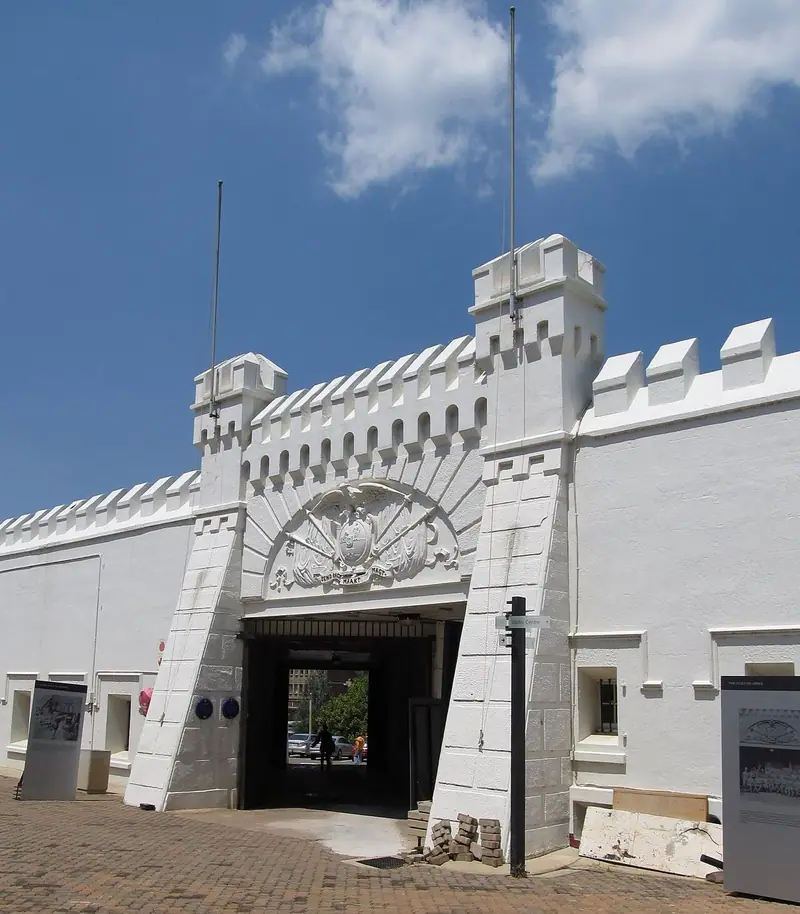 South African7 stops · 1892–2004
Constitution Hill audio guide
The old fort and Number Four, where famous South Africans were imprisoned, and the Constitutional Court that stands there today.
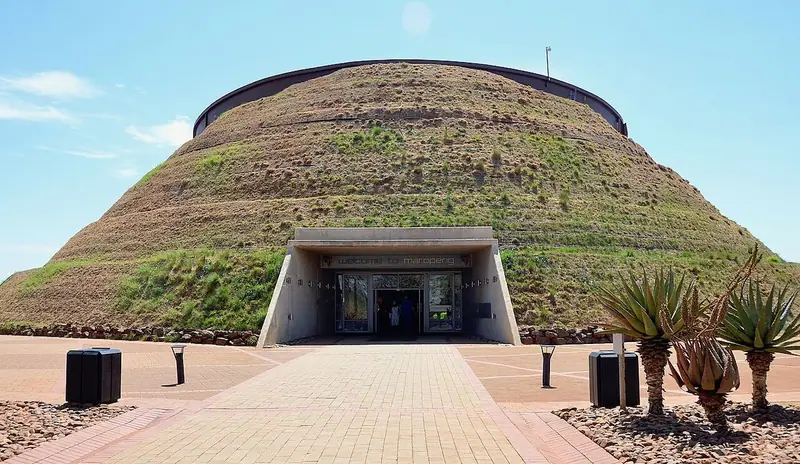 Early Hominins8 stops · c. 3.7 million – 250,000 years ago
Cradle of Humankind audio guide
Underground at Sterkfontein, where Mrs Ples and Little Foot were found, then Maropeng and the story of how we became human.
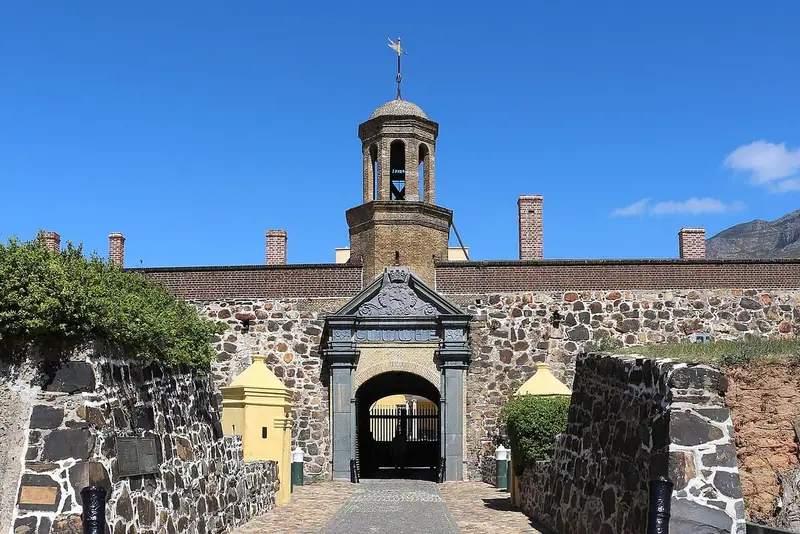 Dutch Colonial8 stops · 17th–20th century
Historic Cape Town audio guide
From the Castle of Good Hope through the City Bowl, past the Company’s Garden and the Slave Lodge, to the Bo-Kaap.
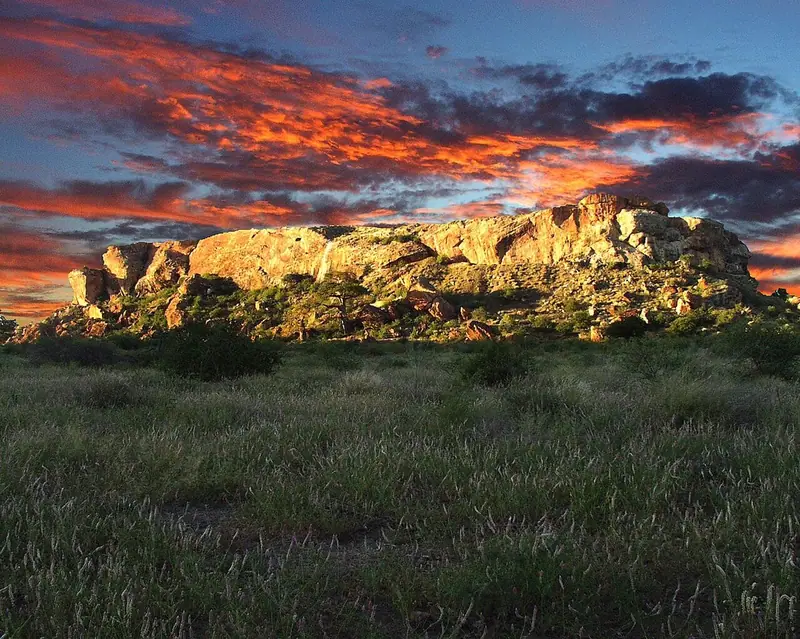 Mapungubwe7 stops · c. 900–1300
Mapungubwe audio guide
The hilltop seat of southern Africa’s first great kingdom, home of the gold rhinoceros, where the Limpopo meets the Shashe.
 European Colonial7 stops · 1652–1996
Robben Island audio guide
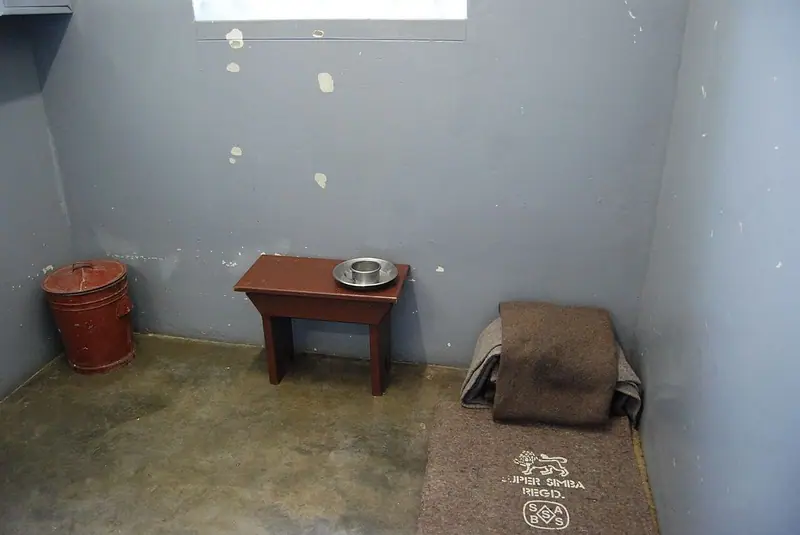
Cross Table Bay to the island where leaders of the struggle against apartheid were held, from the lime quarry to Mandela’s cell.
 Dutch Colonial8 stops · 1679–1964
Stellenbosch audio guide
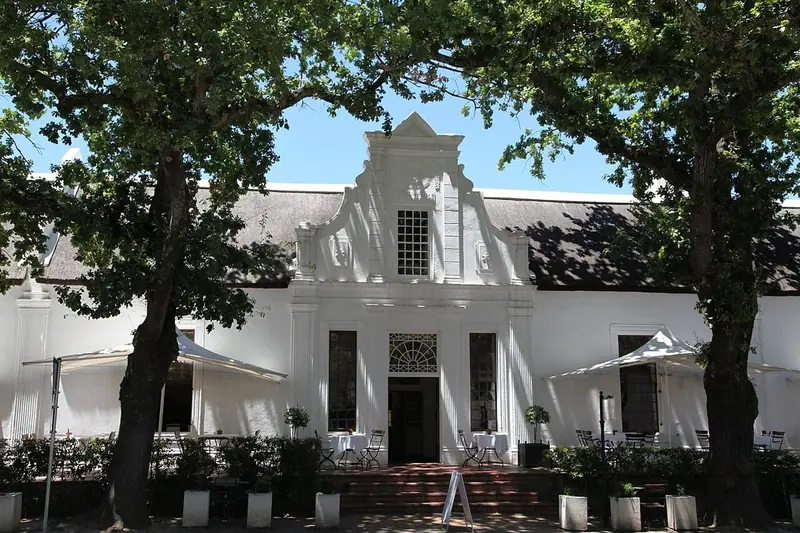
The City of Oaks: the Braak, the powder magazine, Cape Dutch Dorp Street and the Moederkerk, and the lost community of Die Vlakte.
Every guide, in every country
Soweto and every other guide we publish, including future ones. One payment, no subscription.