Before you start
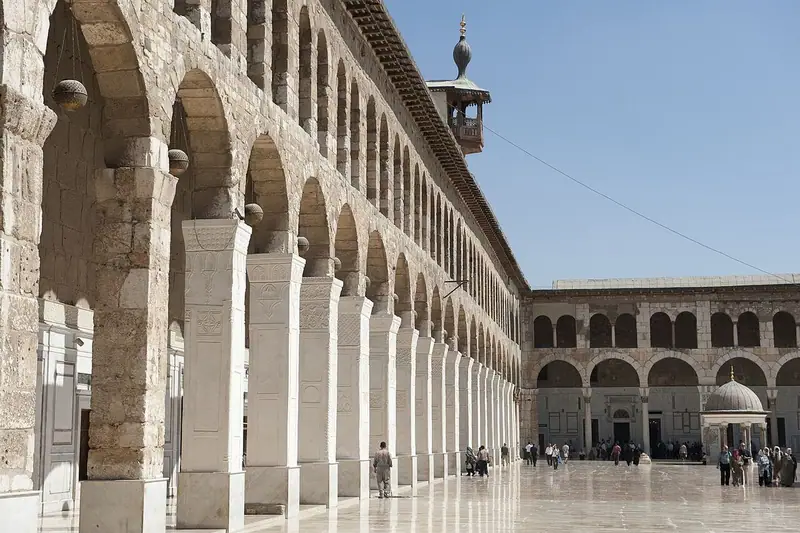
Damascus is often said to be one of the oldest continuously inhabited cities in the world, and its walled old city, on the south bank of the Barada river, holds some four thousand years of history in a space you can cross on foot in half an hour. UNESCO inscribed the Ancient City of Damascus as a World Heritage Site in 1979, noting some 125 protected monuments, from a Roman temple to Ottoman palaces and caravanserais. Since 2013 it has been on the List of World Heritage in Danger. The old city escaped the large-scale destruction suffered elsewhere in Syria during the civil war, but mortar fire damaged the roof of the Umayyad Mosque and nearby houses in 2015, and in April 2016 a fire destroyed shops and buildings in the al-Asrouniyeh market. Today its souks, mosques and churches are busy again. Check your government’s current travel advice before you plan a visit.
Use it as a self-guided tour of the Ancient City of Damascus: 10 stops in visit order, each played when you’re ready, at your own pace.
 Free preview · Stop 1
The Citadel
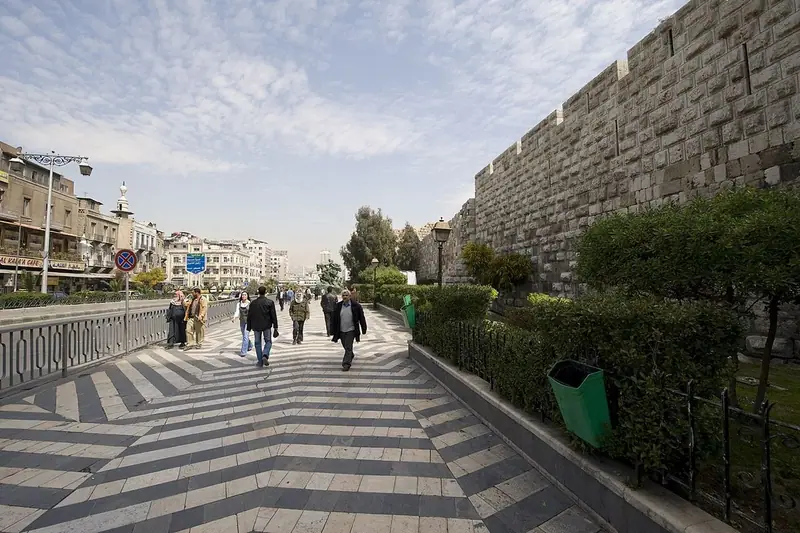
Begin at the Citadel, in the northwest corner of the old city walls. This site was first fortified in 1076 by a Turkic commander, Atsiz, and the castle was finished by the Seljuk ruler Tutush. Saladin made it his residence after taking Damascus in 1174, and his brother al-Adil rebuilt it almost entirely between 1203 and 1216, with massive square towers able to resist the new counterweight catapults. The Mongols wrecked much of it in 1260, and the Mamluks restored it. Under the Ottomans it housed the Janissary troops, and it remained a barracks and prison until 1986, when excavation and restoration began. Look along the west wall for the great towers of rusticated stone. In front of the main gate stands a large bronze statue of Saladin on horseback, put up in 1993.
Photo: Dosseman · CC BY-SA 4.0 · Wikimedia Commons
What to see at the Ancient City of Damascus: 10 stops, in visit order
- 01
 The CitadelA fortress in the corner of the wallsFree preview
- 02
 The Hamidiyah SouqA covered street of shopsIn the guide
- 03
 The Temple of JupiterColumns at the end of the souqIn the guide
- 04
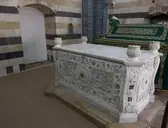 The Mausoleum of SaladinTwo tombs for one sultanIn the guide
- 05
 The Umayyad MosqueGold mosaics and a saint’s shrineIn the guide
- 06
 The Azm PalaceAn Ottoman governor’s homeIn the guide
- 07
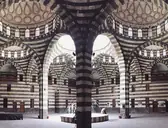 Khan As’ad PashaA caravanserai of domesIn the guide
- 08
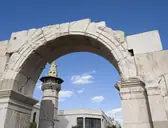 Straight StreetA Roman road in the BibleIn the guide
- 09
 The House of AnaniasA chapel below the streetIn the guide
- 10
 Bab SharqiThe eastern gate of the sunIn the guide
Site map of the Ancient City of Damascus
History of the Ancient City of Damascus
Damascus appears in Egyptian records of the second millennium BCE, and in the Iron Age it was the capital of the Aramaean kingdom of Aram-Damascus, whose storm god Hadad had a temple where the Umayyad Mosque now stands. Greek rulers laid out a grid of streets, and under Rome, from 64 BCE, the city grew rich, with a great temple of Jupiter. It became a Christian city, and in 634 Arab Muslim armies took it; from 661 to 750 it was the capital of the Umayyad caliphs, whose empire stretched from Spain to Central Asia. Later the Seljuks, Nur al-Din and Saladin’s Ayyubid family ruled from here, followed by the Mamluks and, from 1516, the Ottomans, who rebuilt souks, palaces and caravanserais. France governed Syria under a League of Nations mandate from 1920, and Damascus became the capital of independent Syria in 1946.
Ancient City of Damascus guide: questions
How many stops does the Ancient City of Damascus guide have?
10 stops, in visit order: 1. The Citadel; 2. The Hamidiyah Souq; 3. The Temple of Jupiter; 4. The Mausoleum of Saladin; 5. The Umayyad Mosque; 6. The Azm Palace; 7. Khan As’ad Pasha; 8. Straight Street; 9. The House of Ananias; 10. Bab Sharqi.
Can I do a self-guided tour of the Ancient City of Damascus with this guide?
Yes. The guide is made for a self-guided tour: 10 stops in visit order, each with a photo, a story and a voice, so you can explore the Ancient City of Damascus at your own pace, without joining a group. Download it before you go and it works offline.
How long do you need at the Ancient City of Damascus?
We suggest allowing A full day. The 10 stops add up to about 7 minutes of listening, and you play each one when you’re ready, so you can linger wherever you like.
How long is each guide?
The 10 stops add up to about 7 minutes of listening in total. You play each stop when you’re ready, so you can go at your own pace.
Does the guide work offline?
Yes, once it’s downloaded. The guide is a single self-contained web page (about 8.8 MB) with the photos, text and audio built in. Download it to your phone before you go (Wi-Fi is best); after that it opens in any modern browser on iPhone or Android, with no app, account or mobile signal needed.
Does it use GPS or need my location?
No. The guide doesn’t use GPS and doesn’t know where you are: you play each stop when you reach it. It works on iPhone and Android in any modern browser, and it’s in English.
What’s included?
One self-contained HTML guide: 10 stops in visit order, each with a photo, text and a voice, plus the story of who built the site.
Who built the Ancient City of Damascus?
Damascus appears in Egyptian records of the second millennium BCE, and in the Iron Age it was the capital of the Aramaean kingdom of Aram-Damascus, whose storm god Hadad had a temple where the Umayyad Mosque now stands. Greek rulers laid out a grid of streets, and under Rome, from 64 BCE, the city grew rich, with a great temple of Jupiter.
Where is the Ancient City of Damascus?
Damascus is often said to be one of the oldest continuously inhabited cities in the world, and its walled old city, on the south bank of the Barada river, holds some four thousand years of history in a space you can cross on foot in half an hour.
Is there a free audio guide to the Ancient City of Damascus?
The first stop, The Citadel, is free to read and hear on this page, so you can try the Ancient City of Damascus audio tour before you buy. The full guide, with all 10 stops, is a one-off purchase: download it once and it’s yours to keep, working offline.
Is the Ancient City of Damascus guide worth it?
If you’d like to know what you’re looking at, yes. For $10 you get 10 stops in visit order, each with a photo, a short history and a voice you play when you’re ready, plus a site map of the stops, and about 7 minutes of listening in all. It’s short on purpose, so you spend your time looking, not listening. It’s yours to keep, works offline and needs no app. The first stop is free on this page, so you can try it before you buy. If you’d like hours of detail, a guided tour will go deeper.
Audio guide or guided tour?
It depends how you like to visit. This guide lets you explore the Ancient City of Damascus at your own pace, at any time, for a one-off price. A guided tour gives you a live expert you can ask questions, but at fixed times and usually for a higher price. Many people use both: a tour for the big picture, and the guide to read beforehand or to revisit the stops in their own time.
Is this the official Ancient City of Damascus guide?
No. It’s an independent guide by The Historian Guide, not affiliated with or endorsed by the operator of the Ancient City of Damascus. For tickets and opening hours, check the official site operator before you go.
Does the guide include entry tickets or opening hours?
No. The guide is a digital companion only. Admission to the Ancient City of Damascus is separate, so check the official site operator for current tickets and opening hours before you go.
- Stop 1 · The Citadel: Dosseman · CC BY-SA 4.0 · Wikimedia Commons · resized
- Stop 2 · The Hamidiyah Souq: Bernard Gagnon · CC BY-SA 3.0 · Wikimedia Commons · resized
- Stop 3 · The Temple of Jupiter: Bassel Khabbaz · CC BY-SA 4.0 · Wikimedia Commons · resized
- Stop 4 · The Mausoleum of Saladin: Dosseman · CC BY-SA 4.0 · Wikimedia Commons · resized
- Stop 5 · The Umayyad Mosque (also the cover): Dosseman · CC BY-SA 4.0 · Wikimedia Commons · resized
- Stop 6 · The Azm Palace: Dosseman · CC BY-SA 4.0 · Wikimedia Commons · resized
- Stop 7 · Khan As’ad Pasha: Bassel Khabbaz · CC BY-SA 4.0 · Wikimedia Commons · resized
- Stop 8 · Straight Street: Dosseman · CC BY-SA 4.0 · Wikimedia Commons · resized
- Stop 9 · The House of Ananias: Bernard Gagnon · CC BY-SA 3.0 · Wikimedia Commons · resized
- Stop 10 · Bab Sharqi: Bernard Gagnon · CC BY-SA 3.0 · Wikimedia Commons · resized


All photographs from Wikimedia Commons under the licences shown.
More guides in Syria
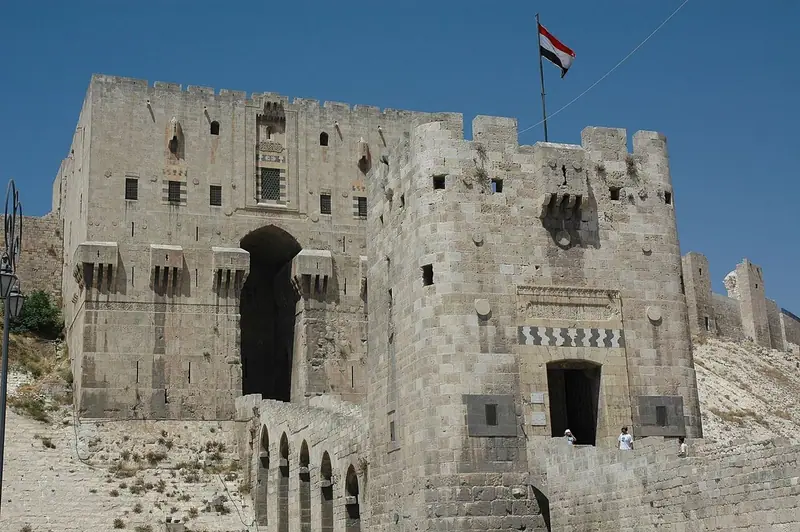 Ayyubid10 stops · Ayyubid citadel, c. 1186–1260
Ancient City of Aleppo audio guide
The great Citadel on its mound, the covered souqs, the Great Mosque and the Jdeydeh quarter, with what was lost in 2012–2016 and what has since been restored set out plainly.
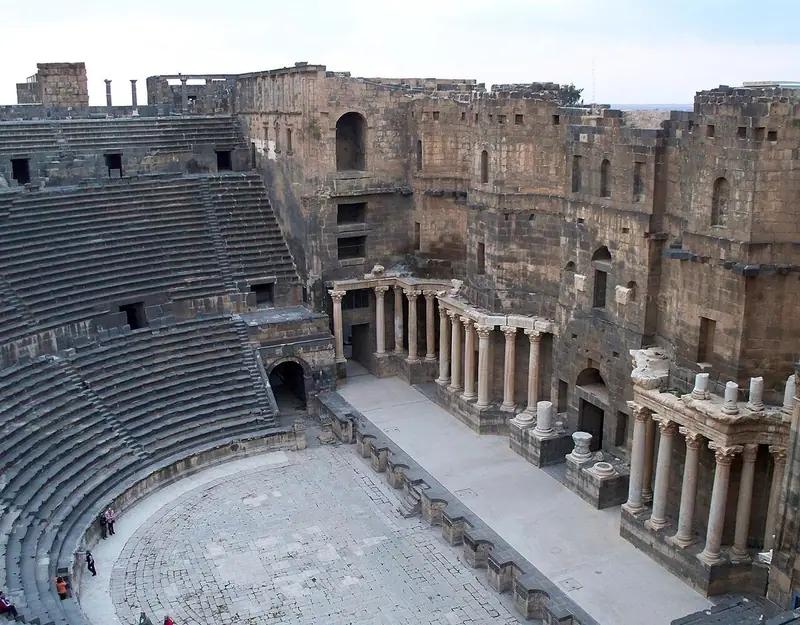 Roman10 stops · 2nd – 7th century CE
Ancient City of Bosra audio guide
Capital of Roman Arabia in black basalt: a near-complete Roman theatre sealed inside an Ayyubid citadel, colonnaded streets, early churches and one of Islam’s oldest mosques.
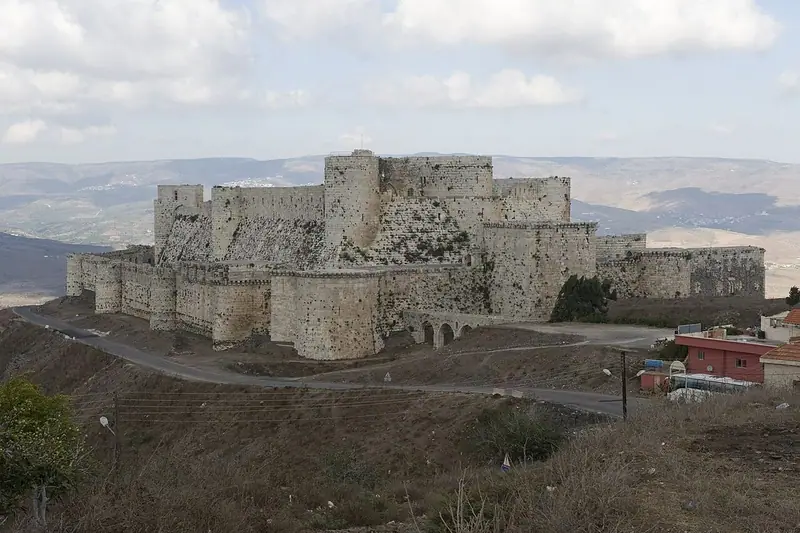 Knights Hospitaller10 stops · 1142 – 1271 (Hospitaller rule)
Crac des Chevaliers audio guide
The most celebrated Crusader castle of all: the Hospitallers' concentric walls, vaulted ramp, glacis, chapel and Gothic loggia, with the war and earthquake damage of 2012–2023 explained.
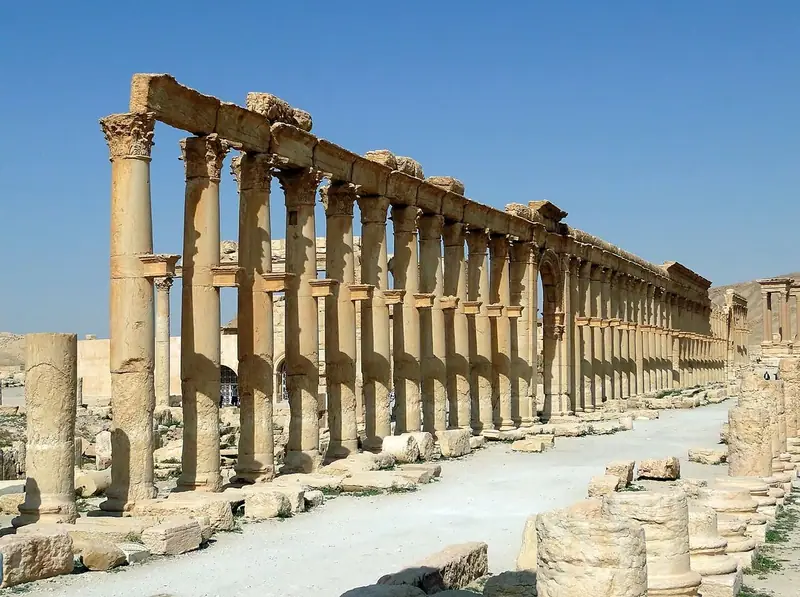 Palmyrene10 stops · 1st – 3rd century CE
Palmyra audio guide
The caravan city of Queen Zenobia in the Syrian desert: a great colonnade, a theatre and tower tombs, with the temples of Bel and Baalshamin destroyed in 2015 shown as they once stood.
Every guide, in every country
Ancient City of Damascus and every other guide we publish, including future ones. One payment, no subscription.