Before you start
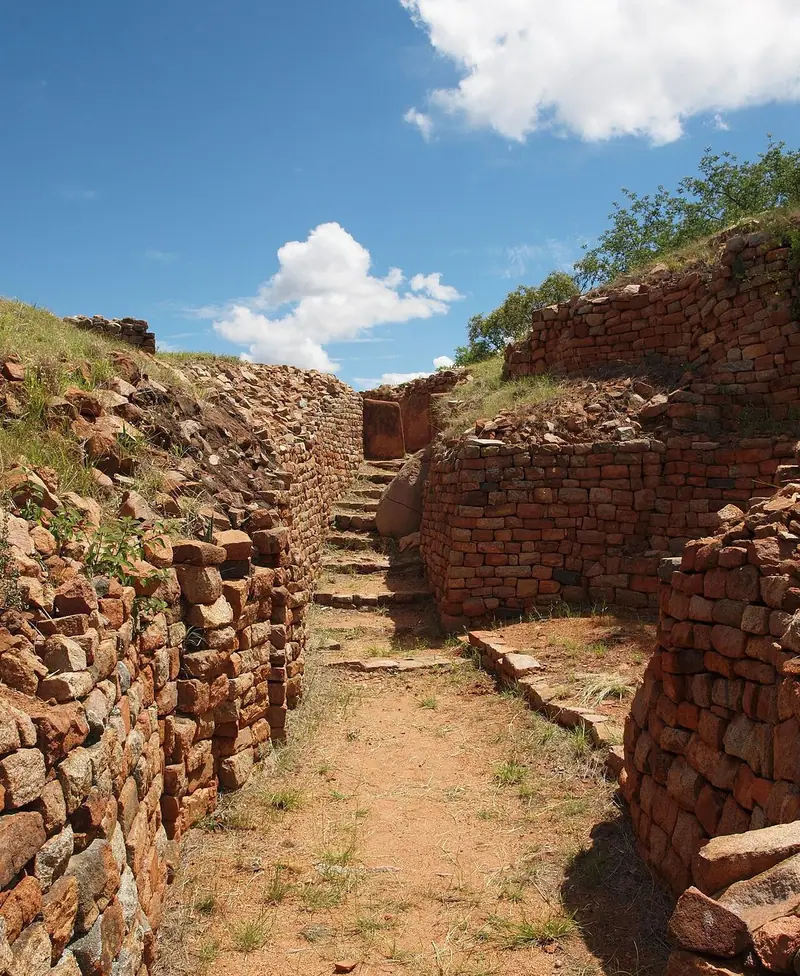
Khami is a ruined stone-built capital about twenty-two kilometres west of Bulawayo, in south-western Zimbabwe, spread along the Khami River. It was the seat of the Torwa kings, whose state the Portuguese called Butua, and in 1986 it became a UNESCO World Heritage Site. Unlike the free-standing walls of Great Zimbabwe, Khami is a city of platforms: terraces of dry-stone walling, richly patterned, on which the houses of the elite once stood. The route begins at the site museum, climbs the Hill Complex, and then follows the river to the outer platforms. Allow around two and a half hours.
Use it as a self-guided tour of the Khami Ruins: 8 stops in visit order, each played when you’re ready, at your own pace.
 Free preview · Stop 1
The Site Museum
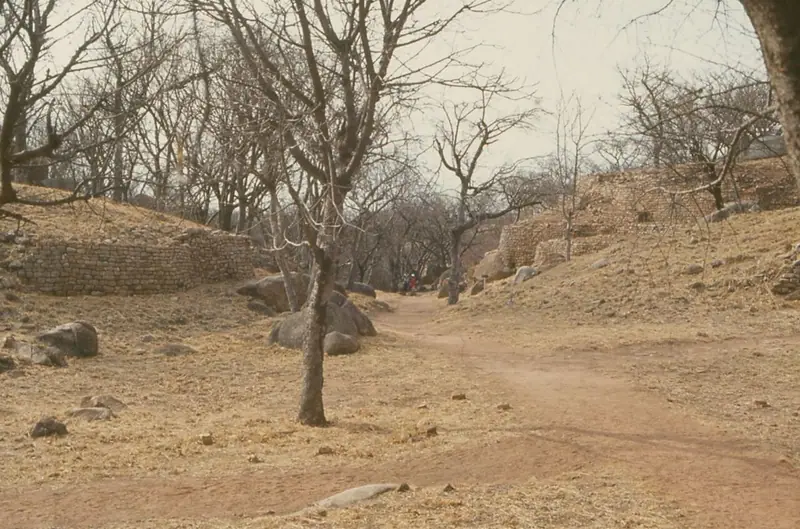
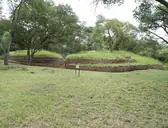
Begin at the small site museum, where tickets are sold. Its displays are worth a few minutes before you set out. People have lived around Khami for a very long time. Stone tools from the area go back hundreds of thousands of years, and by the end of the first millennium, farming villages had grown up on a nearby hill called Leopard’s Kopje. Look for the finds from the Torwa capital itself. In the museum you may see a pot shaped like an animal, found on the summit of the Hill Complex, which may have been used in rituals, perhaps to ask the ancestors for rain. Notice, too, the plan of the site. Khami is spread over about one hundred and eighty hectares along the river, with fourteen stone platforms. Others were drowned in 1929, when the river was dammed to supply water to Bulawayo.
Photo: Ulamm 10:16, 31 January 2008 (UTC) · Public domain · Wikimedia Commons
What to see at the Khami Ruins: 8 stops, in visit order
- 01
 The Site MuseumBefore you climbFree preview
- 02
 The Hill ComplexTiers of patterned stoneIn the guide
- 03
 The Sunken PassageThe way to the summitIn the guide
- 04
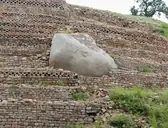 The Cross PlatformA puzzle in stoneIn the guide
- 05
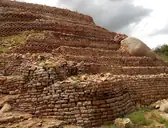 The North PlatformA lesson in lossIn the guide
- 06
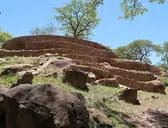 The Royal SummitAbove the pool of crocodilesIn the guide
- 07
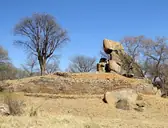 The Precipice PlatformThe longest wallIn the guide
- 08
 The Passage PlatformA game in the rockIn the guide
Site map of the Khami Ruins
History of the Khami Ruins
Khami was built by the ancestors of the Kalanga, the western Shona people, as part of the stone-building tradition that archaeologists call the Zimbabwe Culture. It became the capital of the Torwa state from about the middle of the fifteenth century, and for some two hundred years it controlled a wide region, trading gold and ivory with the Indian Ocean coast. In the seventeenth century, the Torwa were weakened by civil war, and before 1683 they were conquered by the Rozvi under Changamire Dombo. The Rozvi moved their capital elsewhere, and Khami was left to the bush. Some archaeologists now think it grew up alongside Great Zimbabwe, rather than after it.
Khami Ruins guide: questions
How many stops does the Khami Ruins guide have?
8 stops, in visit order: 1. The Site Museum; 2. The Hill Complex; 3. The Sunken Passage; 4. The Cross Platform; 5. The North Platform; 6. The Royal Summit; 7. The Precipice Platform; 8. The Passage Platform.
Can I do a self-guided tour of the Khami Ruins with this guide?
Yes. The guide is made for a self-guided tour: 8 stops in visit order, each with a photo, a story and a voice, so you can explore the Khami Ruins at your own pace, without joining a group. Download it before you go and it works offline.
How long is each guide?
The 8 stops add up to about 6 minutes of listening in total. You play each stop when you’re ready, so you can go at your own pace.
Does the guide work offline?
Yes, once it’s downloaded. The guide is a single self-contained web page (about 8.5 MB) with the photos, text and audio built in. Download it to your phone before you go (Wi-Fi is best); after that it opens in any modern browser on iPhone or Android, with no app, account or mobile signal needed.
Does it use GPS or need my location?
No. The guide doesn’t use GPS and doesn’t know where you are: you play each stop when you reach it. It works on iPhone and Android in any modern browser, and it’s in English.
What’s included?
One self-contained HTML guide: 8 stops in visit order, each with a photo, text and a voice, plus the story of who built the site.
Who built the Khami Ruins?
Khami was built by the ancestors of the Kalanga, the western Shona people, as part of the stone-building tradition that archaeologists call the Zimbabwe Culture. It became the capital of the Torwa state from about the middle of the fifteenth century, and for some two hundred years it controlled a wide region, trading gold and ivory with the Indian Ocean coast.
Where is the Khami Ruins?
Khami is a ruined stone-built capital about twenty-two kilometres west of Bulawayo, in south-western Zimbabwe, spread along the Khami River.
Is there a free audio guide to the Khami Ruins?
The first stop, The Site Museum, is free to read and hear on this page, so you can try the Khami Ruins audio tour before you buy. The full guide, with all 8 stops, is a one-off purchase: download it once and it’s yours to keep, working offline.
Is the Khami Ruins guide worth it?
If you’d like to know what you’re looking at, yes. For $10 you get 8 stops in visit order, each with a photo, a short history and a voice you play when you’re ready, plus a site map of the stops, and about 6 minutes of listening in all. It’s short on purpose, so you spend your time looking, not listening. It’s yours to keep, works offline and needs no app. The first stop is free on this page, so you can try it before you buy. If you’d like hours of detail, a guided tour will go deeper.
Audio guide or guided tour?
It depends how you like to visit. This guide lets you explore the Khami Ruins at your own pace, at any time, for a one-off price. A guided tour gives you a live expert you can ask questions, but at fixed times and usually for a higher price. Many people use both: a tour for the big picture, and the guide to read beforehand or to revisit the stops in their own time.
Is this the official Khami Ruins guide?
No. It’s an independent guide by The Historian Guide, not affiliated with or endorsed by the operator of the Khami Ruins. For tickets and opening hours, check the official site operator before you go.
Does the guide include entry tickets or opening hours?
No. The guide is a digital companion only. Admission to the Khami Ruins is separate, so check the official site operator for current tickets and opening hours before you go.
- Stop 1 · The Site Museum: Ulamm 10:16, 31 January 2008 (UTC) · Public domain · Wikimedia Commons · resized
- Stop 2 · The Hill Complex: Senzeni1 · CC BY-SA 4.0 · Wikimedia Commons · resized
- Stop 3 · The Sunken Passage (also the cover): Digr · CC BY-SA 4.0 · Wikimedia Commons · resized
- Stop 4 · The Cross Platform: Senzeni1 · CC BY-SA 4.0 · Wikimedia Commons · resized
- Stop 5 · The North Platform: Todinirunganga · CC BY-SA 4.0 · Wikimedia Commons · resized
- Stop 6 · The Royal Summit: Robert Stewart Burrett · CC BY-SA 4.0 · Wikimedia Commons · resized
- Stop 7 · The Precipice Platform: Robert Stewart Burrett · CC BY-SA 4.0 · Wikimedia Commons · resized
- Stop 8 · The Passage Platform: Senzeni1 · CC BY-SA 4.0 · Wikimedia Commons · resized


All photographs from Wikimedia Commons under the licences shown.
More guides in Zimbabwe
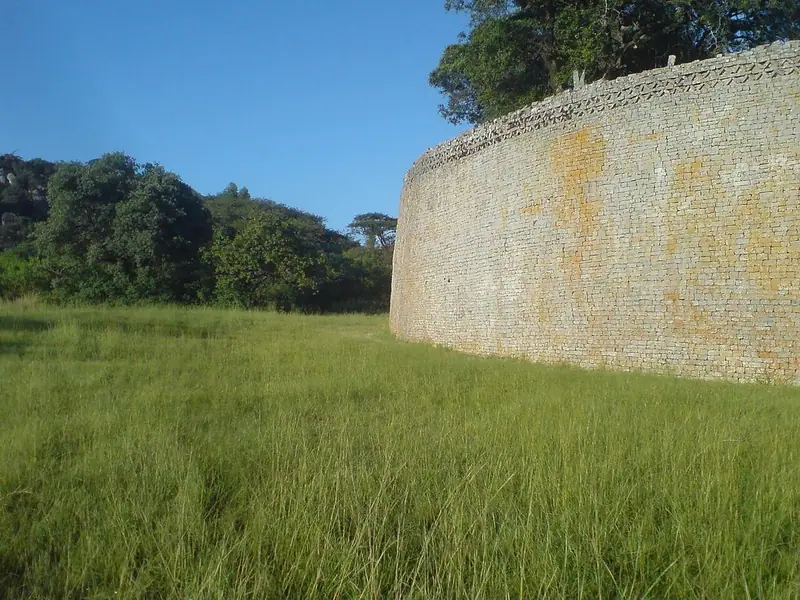 Shona8 stops · c. 11th–15th century
Great Zimbabwe audio guide
Climb the Hill Complex and walk among the mortarless granite walls of the largest ancient stone structure in southern Africa, to the Great Enclosure.
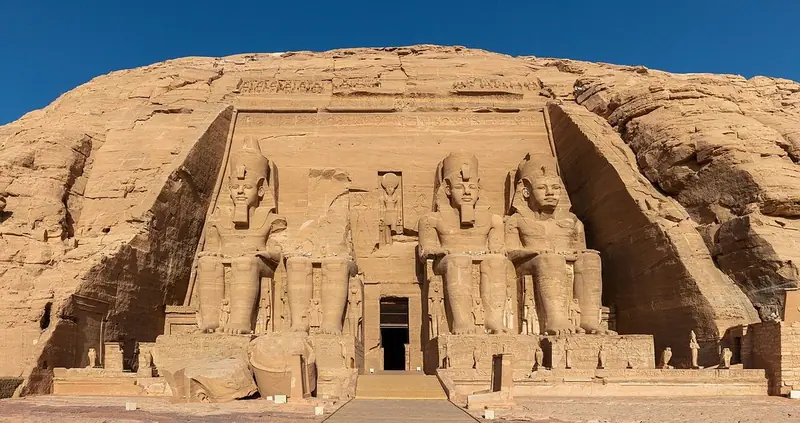 Ancient Egyptian8 stops · 13th century BCE
Abu Simbel audio guide
Ramesses II’s colossal temple façade, the Temple of Nefertari, and how both were rescued from the waters of Lake Nasser.
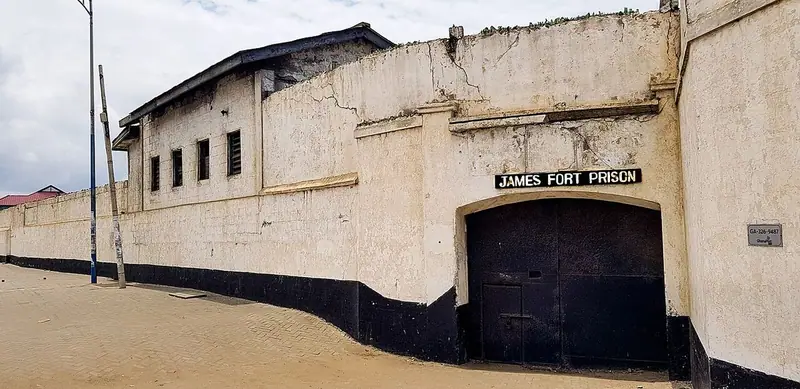 Ga7 stops · 1649–1957
Old Accra audio guide
From the old forts and lighthouse of Jamestown, through the Ga fishing quarter, to the monuments of Ghana’s independence and Osu Castle.
Every guide, in every country
Khami Ruins and every other guide we publish, including future ones. One payment, no subscription.